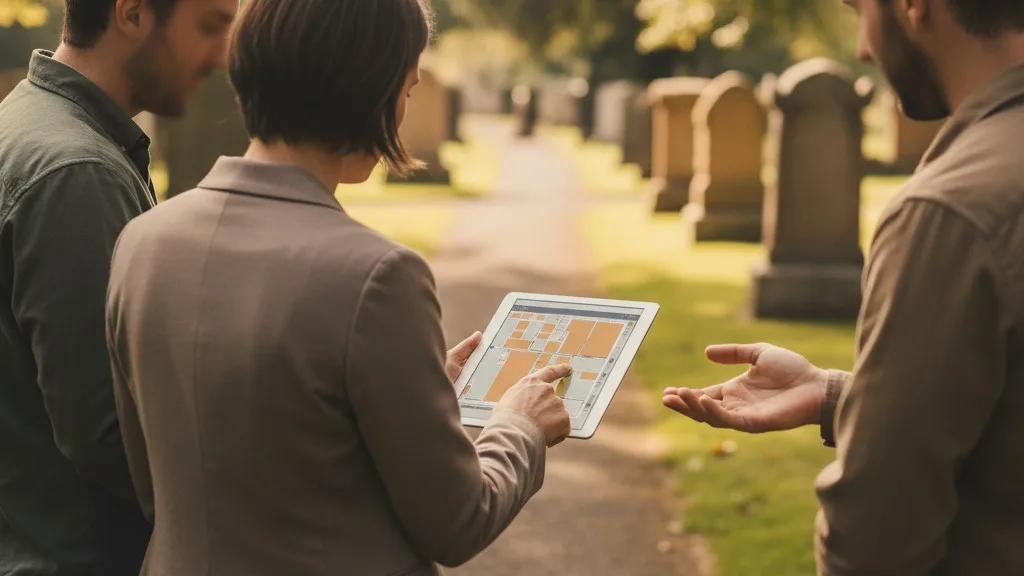
Cemetery software helps keep burial records accurate by replacing scattered, fragile paper systems and spreadsheets with a single, centralized database. This digital approach standardizes data entry, prevents common errors like double-booking plots, and provides your staff with instant access to verified information. By creating one source of truth for every space, owner, and interment, software makes accurate burial records the foundation of your cemetery’s operations.
For generations, cemetery managers have relied on paper lot cards, oversized plat maps, and handwritten ledgers. While these systems served their purpose, they are inherently prone to errors that can have serious consequences for families and your cemetery's reputation. A modern software system isn't just about convenience; it's about upholding the sacred trust families place in you to care for their loved ones' final resting place.
What Makes Traditional Burial Records Prone to Error?
Traditional burial records are prone to error due to physical degradation, illegible handwriting, data silos, and the manual transfer of information. Each of these factors introduces opportunities for mistakes that can compound over decades, creating significant operational and reputational risks.
Physical Degradation and Loss
Paper records are vulnerable to the elements. A broken pipe, a fire, or even just the slow march of time can render ledgers and lot cards unusable. Ink fades, paper becomes brittle, and entire binders can be misplaced during an office move. Once a record is lost or destroyed, the information it contained may be gone forever, leaving gaps in your cemetery's history and creating uncertainty for current operations.
Illegible Handwriting and Ambiguous Notes
Cemeteries have long histories, and so do their records. Deciphering decades-old cursive handwriting can be a challenge for even the most experienced staff. Furthermore, clerks and sextons often used personal shorthand or made notes that were clear to them but are cryptic to others today. This ambiguity can lead to misinterpretations about plot ownership, interment rights, or even the exact location of a burial.
Disconnected Data Silos
A common source of error is the use of multiple, disconnected systems. The sales office might have a binder of contracts, the administrative office keeps paper lot cards, accounting uses a separate spreadsheet for payments, and the grounds crew works from a marked-up map in the maintenance shed. When a plot is sold or an interment is scheduled, the information must be manually copied to each system. Every transfer is a chance for a typo, a missed update, or a complete oversight, leading to conflicting information across departments.
How Software Enforces Accuracy at the Point of Entry
Cemetery management software enforces accuracy by structuring data entry and validating information as it's being recorded. Instead of relying on free-text fields or handwritten notes, software uses a defined process to capture details about spaces, people, and transactions, which prevents many common errors from ever entering the system.
When your staff sells a plot, for example, they aren't just typing into a spreadsheet. They are selecting a specific, available space from a digital map or inventory list. The system instantly knows the space's attributes—its location, size, price, and status. This prevents the most critical error: selling the same plot twice. The software simply won't allow a space marked as 'Sold' to be sold again.
Similarly, when recording an interment, the system prompts the user for required information, such as the decedent's name, date of death, and the burial permit number. By making certain fields mandatory, the software ensures that a complete record is created every time. This structured workflow replaces the variability of paper forms and the unreliability of memory, creating a consistent and trustworthy dataset. Sunset, for example, is built around a clear hierarchy of Cemetery, Section, and Space, ensuring every record is tied to a precise, unique location.
Creating a Single Source of Truth for Your Team
A single source of truth is a central, trusted repository of all cemetery information that is accessible to every member of your team. Cemetery software creates this by merging sales, ownership, interment, and financial data into one unified system, eliminating the confusion and errors caused by disconnected records. When the office, grounds crew, and management all work from the same live data, your entire operation becomes more efficient and reliable.
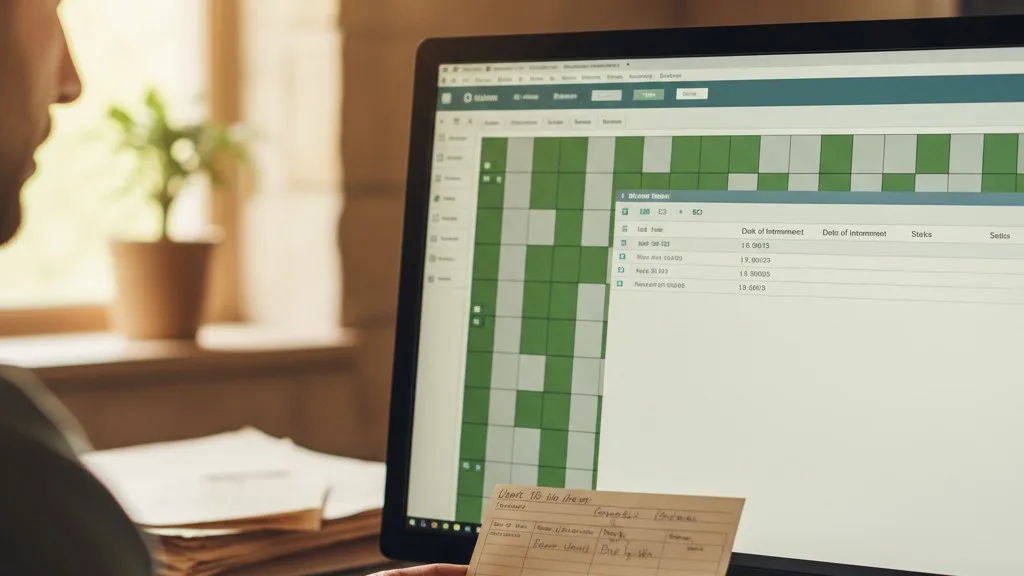
Imagine a family calls with a question about their deed. With a paper system, a staff member might have to search through filing cabinets, cross-reference a payment ledger, and then walk out to the grounds to confirm a location. With cemetery software, any authorized user can find the answer in seconds. They can look up the owner, view the complete ownership history, see the associated contract and deed, and confirm payment status—all on one screen.
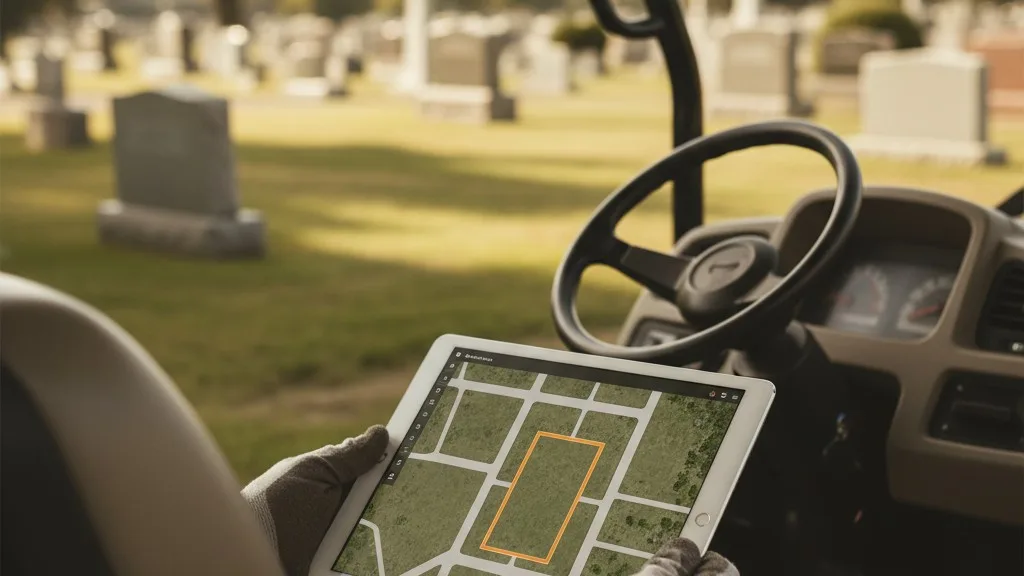
This unified view is especially critical for coordinating work between the office and the grounds crew. An efficient cemetery operations workflow depends on clear communication. When a work order for an interment or monument setting is created in the software, it's linked directly to the specific plot. The grounds crew can access the work order on a tablet in the field, see the exact location on a digital map, and view any associated notes. Once the work is complete, they can update the status in real-time, instantly notifying the office. This closed-loop process eliminates verbal miscommunications and lost paperwork.
The Role of Auditing and Data Correction
Implementing software provides the perfect opportunity to conduct a full audit of your existing records and correct historical inaccuracies. This process of migrating data from paper to digital is not just about transcription; it's about verification. As you enter old records into the new system, you can identify and resolve conflicts, fill in missing information, and establish a clean, reliable baseline.
A thorough cemetery records audit involves comparing information from all your sources: lot cards, deeds, maps, and financial ledgers. The software becomes the final arbiter. For example, if a lot card says a plot is owned by one person but the signed deed names someone else, this is a conflict you must resolve before the record is finalized in the system. The software's structured nature forces you to address these ambiguities.
Once your data is migrated, the software makes ongoing audits simpler. You can run reports to spot anomalies, such as interments in unsold plots or owners with no associated spaces. This proactive approach to data hygiene is nearly impossible with a paper-based system. In Sunset, features like the append-only transfer history for ownership ensure that you have a clear, unalterable chain of title for every plot, making future audits more straightforward and reliable.
Frequently Asked Questions
What if our old records are a mess?
Messy records are one of the most common reasons cemeteries adopt software. The process of migrating to a new system is the ideal time to clean them up. While it requires a dedicated effort, the software provides the tools to do it systematically. You can flag records for review, add notes about discrepancies, and work through the problems one by one to build a trustworthy digital archive.
Will we still need to keep our paper records?
You should consult with legal counsel regarding your state and local regulations for record retention. Many cemeteries choose to digitize their historical paper records and store the originals securely off-site. The software becomes the active, working record, while the paper becomes a static archive for legal or historical purposes.
How does software help with ownership transfers?
Software simplifies ownership transfers by creating a clear, digital chain of title. When a plot is transferred, the system records the transaction, linking the new owner to the space while preserving the history of the previous owner. This creates an unalterable, append-only log, which is crucial for resolving future ownership disputes. You can generate and store transfer documents directly within the system, keeping everything related to the plot in one place.
Can software prevent someone from being buried in the wrong grave?
Yes, by providing a single source of truth that connects the office to the grounds crew. When an interment is scheduled, it is tied to a specific, verified plot in the system. The grounds crew uses a digital map and work order from that same system to locate the grave. This eliminates errors from transcribed notes or verbal instructions, ensuring the crew is digging in the exact location approved by the office and documented in the official record.
Is it difficult to train staff on new cemetery software?
Modern cemetery software is designed to be intuitive for users who are familiar with cemetery operations, not just technology. While any new tool has a learning curve, platforms designed with input from cemetery professionals often mirror familiar workflows. The long-term benefits of improved accuracy, efficiency, and peace of mind far outweigh the short-term effort of training.
Build Trust on a Foundation of Accuracy
Accurate burial records are not just an administrative detail; they are a core component of the service and care you provide to your community. By centralizing data, preventing errors, and creating a single source of truth, cemetery management software provides the foundation for operational excellence and lasting trust. Moving from fragile paper records to a secure, unified digital system is one of the most significant steps you can take to safeguard your cemetery's legacy and serve families with confidence for generations to come.
See how Sunset's cemetery operations software is designed to ensure your records are always accurate and accessible. Book a conversation with our team today.