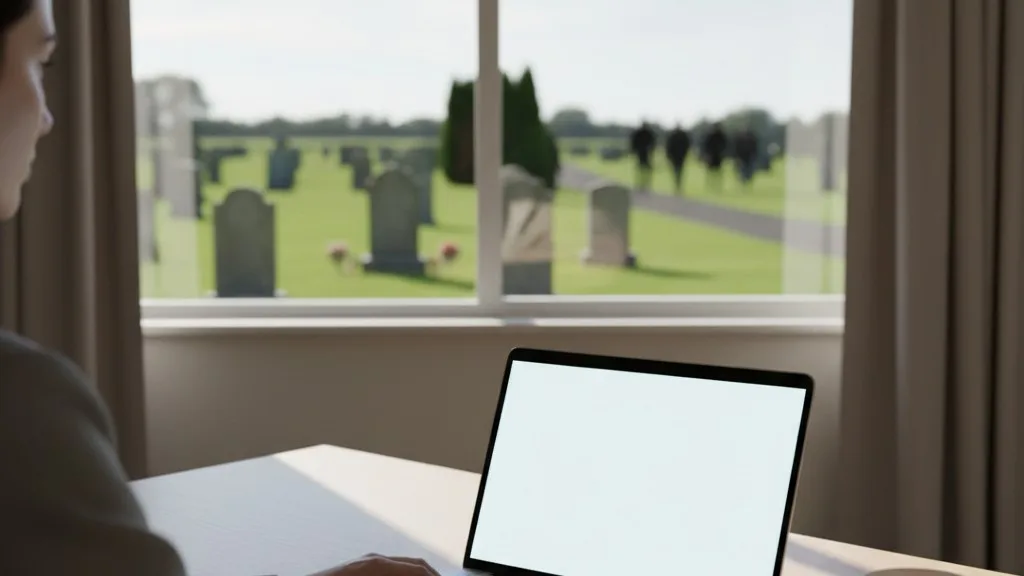
Cloud-based cemetery software provides a single, secure system for managing your cemetery's records and operations from any device with an internet connection. Instead of juggling paper records, spreadsheets, and outdated local software, it centralizes your data, making it accessible to your entire team in real time. This approach helps reduce costly errors, improve communication between the office and grounds crew, and secure your irreplaceable records against physical damage or loss.
What Is Cloud-Based Cemetery Software?
Cloud-based cemetery software is a service you access securely through a web browser, much like online banking or email. Unlike traditional software that must be installed and maintained on a specific computer in your office, a cloud system is hosted by the software provider on their secure servers. This means you do not need to manage servers, run backups, or install updates yourself; the provider handles all the technical maintenance for you.
For a cemetery manager, this shifts the focus from IT management back to cemetery operations. Your data—including plot availability, ownership records, interment details, and financial information—is stored in one central place. Your office staff, grounds crew, and management can all access the same up-to-the-minute information from their respective devices, whether they are in the office, on the grounds, or working from home. This eliminates the confusion and risk that come from relying on separate, often conflicting, paper files and digital spreadsheets.
How Does Centralized Data Improve Cemetery Operations?
Centralizing your data in a cloud-based system directly improves the efficiency and reliability of your daily cemetery operations. When every member of your team works from a single source of truth, communication becomes clearer and mistakes become far less frequent. Instead of tracking down the latest version of a spreadsheet or deciphering a handwritten note on a lot card, your staff has immediate access to accurate, consistent information.
This unified view allows you to create more connected and dependable processes. For example, when a plot is sold, the record can be updated instantly, making it unavailable for sale to anyone else. The system can then automatically generate the necessary contract and work orders for the grounds crew. This seamless flow of information prevents critical errors like double-selling a space and ensures that every task, from sales to interment, is handled correctly. For a deeper look at refining these processes, see our practical guide to improving your cemetery operations workflow.
Can Cloud Software Make My Cemetery's Records More Secure?
Yes, modern cloud-based software can make your cemetery's records significantly more secure than paper files or locally stored spreadsheets. While it may feel counterintuitive to store sensitive information off-site, professional cloud providers invest heavily in security measures that are often beyond the resources of an individual cemetery. These measures protect your data from both digital and physical threats.
Your paper records are vulnerable to fire, flood, pests, and simple misplacement. A single disaster could wipe out decades of irreplaceable history. Cloud software mitigates this risk by storing multiple copies of your data in geographically separate, highly secure data centers. Furthermore, these systems employ robust digital security protocols, including data encryption, regular security audits, and controlled access levels. This means you can grant specific permissions to each staff member, ensuring they only see the information relevant to their role. In the event of a disaster at your physical office, your operations can continue uninterrupted because your records remain safe and accessible from any internet-connected device.
What Are the Financial Benefits of Switching to the Cloud?
Switching to cloud-based cemetery software provides financial benefits by reducing hidden costs and improving revenue management. While there is a subscription fee, it often replaces larger, less predictable expenses associated with maintaining older systems. You eliminate the need to purchase and maintain your own office server, manage complex data backups, or pay for costly software updates and IT support for on-premise programs.
The operational efficiencies also translate into direct financial gains. By preventing errors like double-selling plots, you avoid the significant financial and reputational costs of resolving such mistakes. Streamlined workflows mean your staff spends less time on administrative tasks like cross-referencing records or manually generating reports, and more time on revenue-generating activities and serving families. Accurate, accessible records make it easier to manage inventory, identify available spaces for sale, and run financial reports to track cash flow and oversee perpetual care contributions. Over time, these improvements in efficiency and accuracy lead to a more stable and predictable financial outlook for your cemetery.
How Does Cloud Software Help with Family and Public Inquiries?
Cloud-based software helps you respond to family and public inquiries with speed and accuracy, which is essential for building trust and community engagement. When a family member calls to ask about locating a loved one's grave or confirming ownership details, your staff can find the answer in seconds using a simple search function. There is no need to put them on hold while searching through filing cabinets or fragile, old map books. This quick, professional service makes a lasting positive impression.

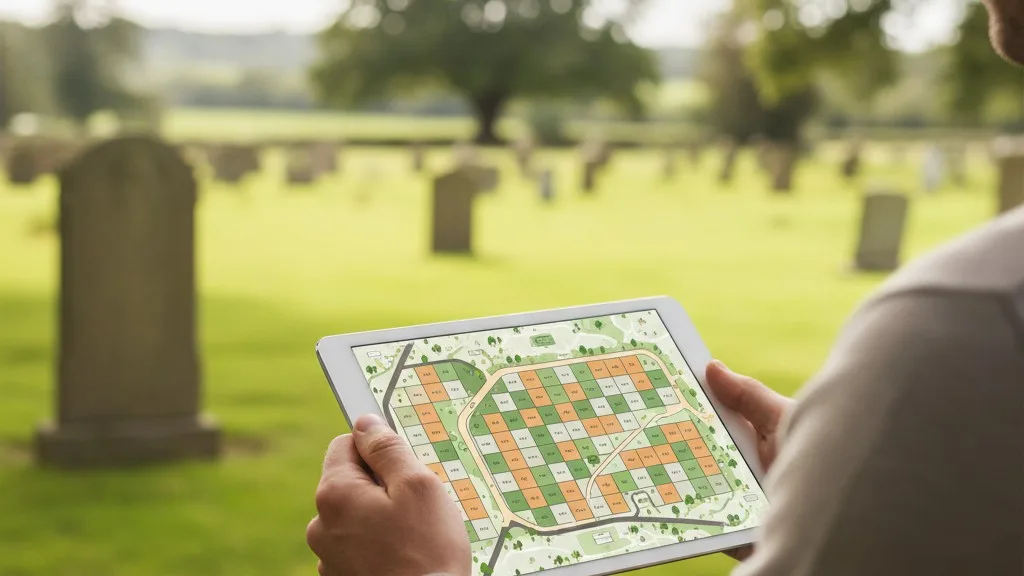
Some cloud-based systems, like Sunset, also offer optional public-facing portals. You can choose to make certain information, such as an interactive cemetery map and memorial details, available on your website. This allows families and genealogists to search for records and locate graves on their own, at any time. This self-service option not only meets the expectations of a public accustomed to digital convenience but also frees up your staff's time. Providing this level of accessibility demonstrates transparency and a commitment to preserving the memory of those interred in your care, reinforcing your cemetery's role as a vital community institution.
Preparing Your Records for a Move to the Cloud
Moving your records to a cloud-based system is a significant project that requires careful preparation to be successful. The process begins with a thorough assessment and cleanup of your existing records, whether they are on paper, in spreadsheets, or in an old database. The goal is to ensure the data you import into the new system is as accurate and complete as possible. This is the perfect opportunity to resolve known discrepancies and standardize your information.
Start by organizing your current records and identifying any gaps or conflicts. This might involve a full cemetery records audit to create a definitive source of truth before the migration begins. Work with your chosen software provider to understand their data import process. They can typically provide templates and guidance for formatting your data correctly. It is also wise to involve your entire team in the process. Their familiarity with the records and daily workflows is invaluable for catching errors and ensuring the new system is set up to match how your cemetery actually operates. A well-planned migration sets the foundation for a smooth transition and allows you to take full advantage of your new software from day one.
Frequently Asked Questions
Is my data safe in the cloud?
Yes, reputable cloud software providers use advanced security measures to protect your data. This includes encryption, automated backups, and storage in secure data centers with redundant systems. These protections are typically more robust than what a single cemetery can maintain on its own, safeguarding your records from both digital threats and physical disasters like fire or flood.
Do I need to be a tech expert to use cloud-based software?
No, modern cloud-based software is designed to be user-friendly for people who are not technology experts. The interface is typically accessed through a web browser and is designed for the specific tasks of cemetery management, such as looking up a person or selling a plot. Reputable providers also offer training and ongoing support to help your team get comfortable with the new system.
What happens if my internet connection goes down?
If your office internet connection goes down, you will not be able to access the software until the connection is restored. However, because the data is stored in the cloud, it remains safe and secure. You can also access the system using any other device with an internet connection, such as a smartphone or a laptop using a mobile hotspot, allowing your operations to continue with minimal interruption.
Can I access the software from outside the cemetery office?
Yes, one of the primary benefits of cloud-based software is the ability to access it securely from anywhere with an internet connection. Whether you are on the cemetery grounds with a tablet, working from home, or traveling, you can log in and access the same real-time information as your staff in the office. This flexibility improves efficiency and responsiveness.
Moving to a modern, cloud-based system is a foundational step in securing your cemetery's future. It protects your most valuable asset—your records—while making your daily operations more efficient and less prone to error. By centralizing your data, you empower your team to provide better service to families and ensure the long-term stability of your grounds.
If you're considering how a dedicated system could benefit your cemetery, we invite you to book a conversation to see how Sunset is built to handle the real-world challenges of cemetery management.