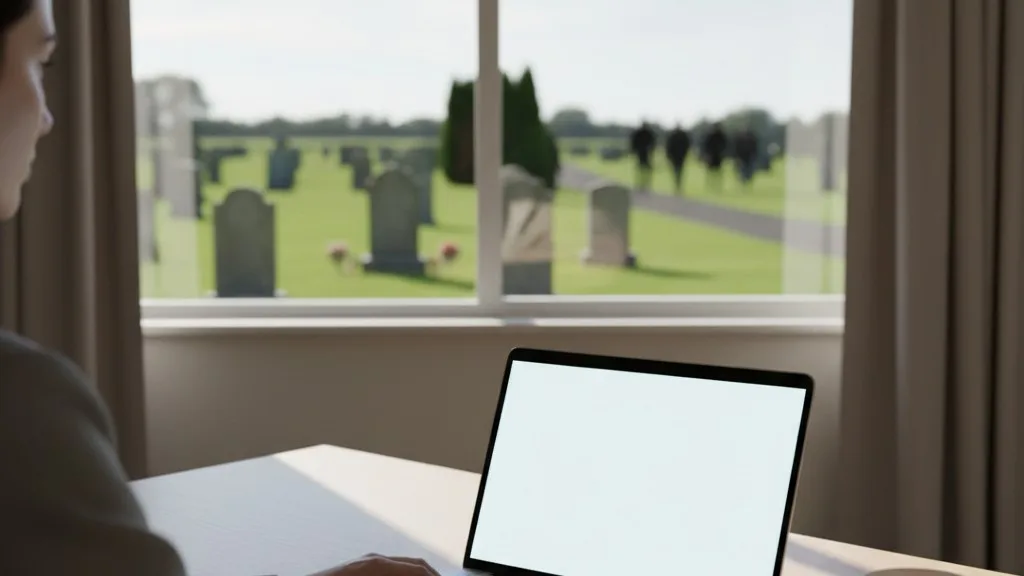
If your team spends more time searching for records than serving families, it is a clear sign you need cemetery management software. Relying on paper ledgers, card files, and spreadsheets creates bottlenecks, introduces risks, and makes everyday tasks much harder than they need to be. Modern software centralizes your data, streamlines your workflows, and provides a single source of truth for your entire operation.
Many cemeteries operate on systems that have been in place for decades. While familiar, these manual methods struggle to keep up with the demands of a modern memorial grounds. The transition to a dedicated software platform can feel daunting, but the signs that your current system is failing are often clear and present in your daily work. Recognizing these signs is the first step toward improving your cemetery's efficiency, accuracy, and long-term sustainability.
1. Finding a Single Record Takes More Than a Minute
The most basic function of a cemetery office is record retrieval, and its speed is a direct measure of your efficiency. If locating a deed, confirming an interment date, or verifying ownership of a plot requires a staff member to leave their desk, walk to a file cabinet, and manually search through paper files or multiple spreadsheets, your system is costing you valuable time. This delay, multiplied across dozens of inquiries each day, adds up to significant lost productivity.
The problem is compounded when records are stored in different formats and locations. You might have lot cards in one cabinet, deed copies in another, and payment histories in a separate accounting ledger or spreadsheet. Each system has its own logic and potential for disorganization. A single misplaced file or a typo in a spreadsheet search can turn a simple request into a lengthy investigation. This isn't just inefficient; it's stressful for staff and can appear unprofessional to families waiting for answers.
Cemetery management software solves this by creating a central, searchable database. With a few keystrokes, your team can pull up a complete history for any space, owner, or decedent. Sunset, for example, links interments, ownership records, and financial data to a specific space. This means you can instantly see who is interred, who owns the plot, the status of payments, and the complete ownership transfer history, all from a single screen. This transforms record retrieval from a time-consuming chore into an immediate action.
2. You Are Not 100% Confident in Your Available Inventory
One of the most critical—and costly—errors a cemetery can make is selling the same plot twice. This mistake often originates from inaccurate or unclear inventory records. When your only map is a decades-old paper document and your availability is tracked on a spreadsheet or a wall chart, the risk of error is high. A plot might be sold but not marked, reserved but not recorded, or its status might be ambiguous.
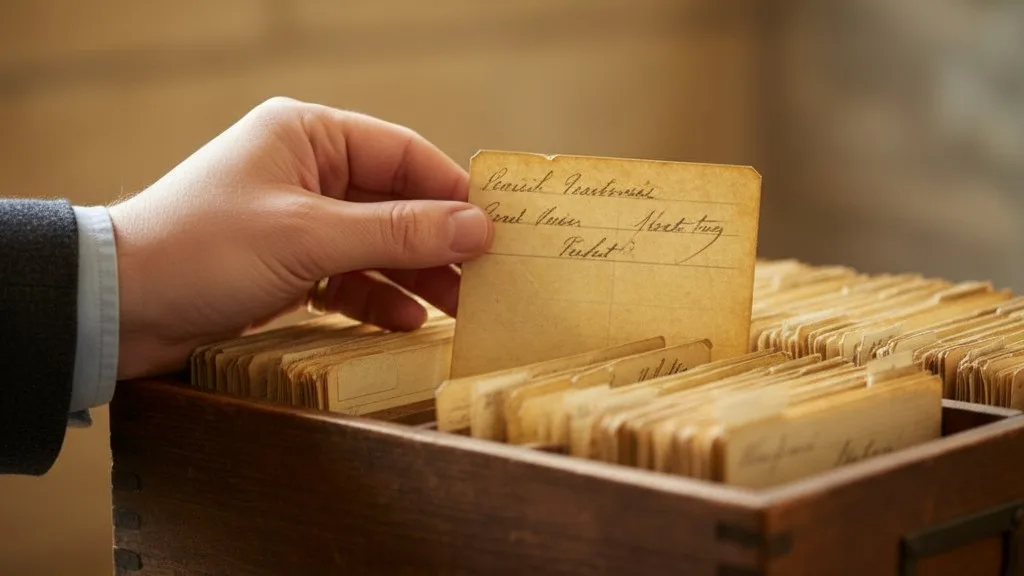
The consequences of a double-sale are severe. They include the emotional distress for the families involved, the complex and often expensive legal process of resolving the error, and the significant damage to your cemetery's reputation. The root cause is a lack of a single, authoritative source of truth for your inventory. Paper maps degrade, and spreadsheets can be accidentally edited, have multiple conflicting versions, or fail to sync updates made by different team members.
Modern cemetery management software provides a real-time, visual inventory. It replaces static paper maps with a dynamic digital map where the status of every single space—available, occupied, reserved, or pending—is clearly marked and instantly updated. When a space is sold or a payment plan is initiated, the system automatically changes its status across the entire platform. This eliminates the guesswork and manual updates that lead to errors. With a system like Sunset, you can click on any section of your cemetery map and see exactly what is available, ensuring you and your families have complete confidence in every transaction.
3. Answering a Family's Genealogy Question Is a Major Project
Cemeteries are vital resources for genealogists and families exploring their heritage. However, if fulfilling these requests requires a deep dive into fragile, handwritten ledgers or cross-referencing multiple unconnected databases, it can become a significant drain on your staff's time. A simple question like, “Where are all of my great-grandparents buried?” might involve searching by multiple surnames, checking different time periods, and manually piecing together family connections.
Outdated systems make this process difficult because the data is not relational. A record for a person's interment is separate from their record as a plot owner. There's often no easy way to link family members together unless they were recorded on the same lot card. Without a connected system, you cannot effectively search for relationships or provide the comprehensive answers that families and researchers expect from modern organizations.
Cemetery management software is built on a relational database. In Sunset, a single, deduplicated Person record is used for owners and decedents. This means the same individual can be identified as the owner of several plots and later as an interment in one of them, without creating duplicate entries. This structure makes it simple to search for a person and see every interaction they've had with the cemetery. You can easily find all interments associated with a specific family name or trace ownership history, turning a potential week-long research project into a query that takes only moments to answer.
4. Your Grounds Crew and Office Staff Are Disconnected
Effective cemetery operations depend on seamless communication between the office and the grounds crew. When the office sells a plot or schedules an interment, the grounds team needs precise, accurate, and timely information to prepare the correct location. If your workflow relies on printed work orders, verbal instructions, or hand-marked maps, you are creating opportunities for miscommunication and error.
A work order can get lost. A location description can be misinterpreted. A last-minute change communicated by phone might not reach the entire crew. These disconnects can lead to serious mistakes, such as digging in the wrong location, which can cause immense distress to families and create significant liability for the cemetery. This gap between the administrative and operational sides of your cemetery represents a major risk. For more on this, read our guide to improving your cemetery operations workflow.
Cemetery management software bridges this gap by creating a shared platform for information. When an interment is scheduled in the office, the details—including the exact plot location, date, and any special instructions—are entered into the system. The grounds crew can then access this information on a tablet or phone, viewing the work order and the precise location on a digital map. Sunset allows office staff to manage schedules and work orders that grounds crews can access in the field, ensuring everyone is working from the same, up-to-the-minute information. This closes the loop, reduces the chance of error, and creates a more professional and reliable operation.
5. Your Financial Records Don’t Match Your Plot Records
In many cemeteries using older systems, financial records and property records live in separate worlds. The accounting department might use one system (like QuickBooks or Sage 50) to track payments, while the office manager uses a different system (like a spreadsheet or lot cards) to track plot ownership. This separation is a recipe for confusion and discrepancies. A payment might be received but not recorded against the plot, or ownership might be transferred on a lot card without a corresponding financial transaction being logged.

Reconciling these two sets of records can be a monthly or even yearly headache, requiring hours of manual cross-checking. This is time that could be spent on more valuable activities. More importantly, these discrepancies can lead to serious issues, such as failing to collect on payment plans or incorrectly marking a plot as fully paid. It also complicates financial reporting, making it difficult to get a clear picture of your cemetery's financial health.
Integrated cemetery management software eliminates this problem by tying financial data directly to plot records. When you generate an invoice or record a payment in Sunset, it is automatically linked to the specific space, contract, and owner. The system can manage payment plans, automatically updating a plot's status to “Purchased” once the final payment is made. For accounting, Sunset can sync directly with QuickBooks Online or provide exports for systems like Sage 50, ensuring that your financial and operational records are always aligned without manual double-entry.
6. You Have No Way to Handle Pre-Need Sales Systematically
Pre-need sales are a critical revenue stream for modern cemeteries, but they introduce a unique set of record-keeping challenges. Unlike at-need sales, a pre-need purchase may not result in an interment for decades. Over that time, the original owner may move, change their name, or transfer ownership to a family member. Your record-keeping system must be robust enough to track these changes over a long period.
Paper-based systems and simple spreadsheets are poorly equipped for this task. They cannot easily track the long-term status of a plot, manage payment plans that can span several years, or handle ownership transfers without creating a confusing and error-prone paper trail. The risk of losing track of a pre-need owner or the details of their purchase is high, which can lead to confusion and conflict when the time of need finally arrives. For a deeper dive, see our practical guide to pre-need and at-need records.
Cemetery management software is designed to manage the entire lifecycle of a plot, from initial pre-need sale to final interment. It allows you to create detailed contracts, set up and manage long-term payment plans, and record every change in ownership in an append-only transfer history. In Sunset, the ownership history is permanent and cannot be altered, providing a clear and auditable trail. This ensures that no matter how much time passes, you will have a complete and accurate record of who owns the rights to each space.
7. You Can’t Easily Generate Reports on Sales or Capacity
How many graves did you sell last month? How much revenue did you generate from a specific section? How many available casket spaces do you have left in your most popular garden? If you cannot answer these basic business questions without spending hours manually counting records or manipulating spreadsheets, you are managing your cemetery blind.
Effective management requires data. Without accessible, accurate reports, you cannot make informed decisions about pricing, sales strategies, or future development. You are forced to rely on gut feelings and historical anecdotes, which are no substitute for hard data. A lack of reporting capability not only hinders your ability to manage your business effectively but also makes it difficult to demonstrate performance to a board of directors or a municipal oversight committee.
Good cemetery management software includes robust reporting tools that turn your raw data into actionable insights. With a few clicks, you can generate reports on sales by date range, available inventory by section, accounts receivable, and more. Sunset includes built-in reporting to help you track key performance indicators. This allows you to monitor the health of your cemetery, identify trends, and make strategic decisions based on real-time information, not guesswork.
8. Training a New Staff Member Takes Months
When all of your cemetery's operational knowledge resides in the heads of a few senior employees, you have a significant business risk. If your system relies on unwritten rules, complex workarounds, and a deep familiarity with the quirks of a decades-old filing system, training a new employee becomes a long and arduous process. It can take months or even years for a new hire to become fully proficient.
This long training period is costly, and it creates a single point of failure. If a key employee retires or leaves unexpectedly, they take a huge amount of institutional knowledge with them. The remaining staff are left to struggle, and the risk of errors increases dramatically. Your operations should be based on a clear, documented system, not on the memory of one or two individuals.
Implementing cemetery management software is a way of codifying your processes. The software itself provides a structured workflow for common tasks like selling a plot, recording an interment, or generating a deed. This makes the training process much faster and more consistent. A new employee can be taught to follow the steps in the software, ensuring that tasks are performed correctly and uniformly every time. The system becomes the source of truth, reducing your dependency on individual employees and making your entire operation more resilient.
9. You Dread Conducting a Records Audit
A cemetery records audit is a necessary but often daunting task. The process of systematically reviewing your records for accuracy and consistency can be overwhelming, especially if your data is spread across paper files, maps, and spreadsheets. You know there are likely errors and inconsistencies, but the sheer volume of work required to find and fix them can feel paralyzing.
This reluctance to audit records is a major red flag. It indicates that you don't have confidence in your own data. The longer you put it off, the worse the problem gets. Small errors compound over time, and what might have been a simple fix a decade ago can become a complex tangle of conflicting information. As we detail in our guide on the cost of outdated records, this can lead to significant operational, financial, and reputational risks.
Cemetery management software simplifies the audit process. By first centralizing all your information into a single digital system, you create a foundation for a comprehensive audit. The software can help you identify obvious errors, such as plots with conflicting ownership information or interments recorded in unavailable spaces. Sunset provides the tools to conduct this initial data migration and cleanup. Once your data is clean and centralized, maintaining its accuracy becomes an integral part of your daily workflow, not a massive, once-a-decade project.
10. Families Expect to Find Information Online
In today's digital world, families increasingly expect to be able to find information online. They want to search for an ancestor's resting place, view a map of the cemetery, or learn about available plots from the comfort of their own home. If your cemetery has no online presence beyond a basic contact page, you are failing to meet the expectations of the next generation of customers.
This isn't just about convenience; it's about accessibility and transparency. A cemetery that provides online access to its records is seen as more trustworthy and service-oriented. It demonstrates a commitment to preserving the memory of those interred there and to serving the needs of their families. Without this capability, you risk being seen as outdated and out of touch.
Modern cemetery management software often includes public-facing features that allow you to share information with families online. Sunset, for example, allows cemeteries to enable public memorial pages and a searchable map. You control what information is shared, but you can give families the ability to look up interment locations and view basic biographical information. This not only provides a valuable service to the community but also reduces the number of simple lookup requests your staff has to handle, freeing them up for more complex tasks.
Frequently Asked Questions
What is the first step in moving to cemetery software?
The first step is to assess your current records and processes. Before you can migrate to a new system, you need to understand the state of your data. This often involves starting a records audit to identify inconsistencies and create a plan for cleaning up your data. This initial assessment will be crucial for a smooth transition.
How long does it take to implement cemetery management software?
The implementation timeline varies depending on the size of your cemetery and the quality of your existing records. The process involves migrating your data, configuring the software to match your specific needs, and training your staff. While the full transition can take several months, many cemeteries start seeing benefits much sooner as they begin using the system for new sales and interments while gradually back-filling historical data.
Is my cemetery too small for management software?
No cemetery is too small to benefit from accurate, centralized records. While large cemeteries have more data to manage, the fundamental risks of errors like double-selling a plot or losing track of ownership are the same for everyone. Modern cloud-based software is more accessible and affordable than ever before, making it a viable option for small church, municipal, and family-owned cemeteries.
Managing a cemetery is an exercise in long-term responsibility. The signs listed above are indicators that your current tools may no longer be adequate for that responsibility. By transitioning to modern cemetery management software, you are not just improving efficiency; you are investing in the accuracy, integrity, and future of your memorial grounds.
If you recognize your cemetery in these signs, it may be time to see how a dedicated system can help. See how Sunset brings your spaces, records, and workflows into one place by booking a conversation with our team.