What Is Perpetual Care?
Perpetual care is a system where a portion of the purchase price of every grave, niche, or crypt is deposited into an irrevocable trust fund. The principal of this fund remains untouched, and the cemetery uses the investment income it generates to pay for the long-term maintenance and upkeep of the grounds. This ensures that the cemetery will remain cared for in perpetuity, even after it is full and no longer generating revenue from new plot sales.
This arrangement is a foundational promise made to every family that chooses your cemetery. Properly managing and tracking these funds and obligations is one of the most critical responsibilities of a cemetery office.
How Do Perpetual Care Funds Work?
A perpetual care fund, also known as an endowment care fund, is typically established according to state or provincial law. These regulations dictate the minimum percentage of each sale that must be deposited into the trust. The fund is managed by trustees who have a fiduciary duty to invest the principal prudently to generate a steady stream of income.

Only the income—such as interest and dividends—can be withdrawn and used for cemetery maintenance. The principal itself cannot be spent. This structure is designed to create a permanent source of funding. The allowable expenses are generally limited to the care and maintenance of the cemetery grounds as a whole, such as:
- Lawn mowing, fertilizing, and reseeding
- Trimming trees and shrubs
- Maintaining roads, paths, and drainage systems
- Upkeep of fences, gates, and non-monument structures
- General cleaning and debris removal
It is crucial to understand that these funds are not for the maintenance of individual monuments, grave markers, or personal plantings, which are typically the responsibility of the family. Clearly communicating this distinction is a key part of managing family expectations.
Why Is Tracking Perpetual Care So Important?
Tracking perpetual care contributions is essential for legal compliance, financial transparency, and building long-term trust with your community. First and foremost, state and provincial laws require cemeteries to collect and deposit these funds, with strict penalties for non-compliance. Accurate records provide the necessary proof that you are meeting your legal obligations.
Internally, precise tracking is vital for accurate accounting and financial planning. You need to know exactly how much of each sale must be transferred to the trust, and your general ledger must reflect these transactions correctly. This is not just an accounting exercise; it is fundamental to the long-term viability of the cemetery.
Finally, meticulous record-keeping demonstrates responsible stewardship to lot owners. When families ask about the future of the cemetery, you can confidently explain the perpetual care system and show that their contribution is secured and managed professionally. This transparency reinforces the promise that their loved ones' final resting place will be honored forever.
Common Methods for Tracking Perpetual Care
Cemeteries use various methods to track perpetual care, ranging from manual paper systems to specialized software. Each has its own set of advantages and disadvantages.

Paper Ledgers and Lot Cards
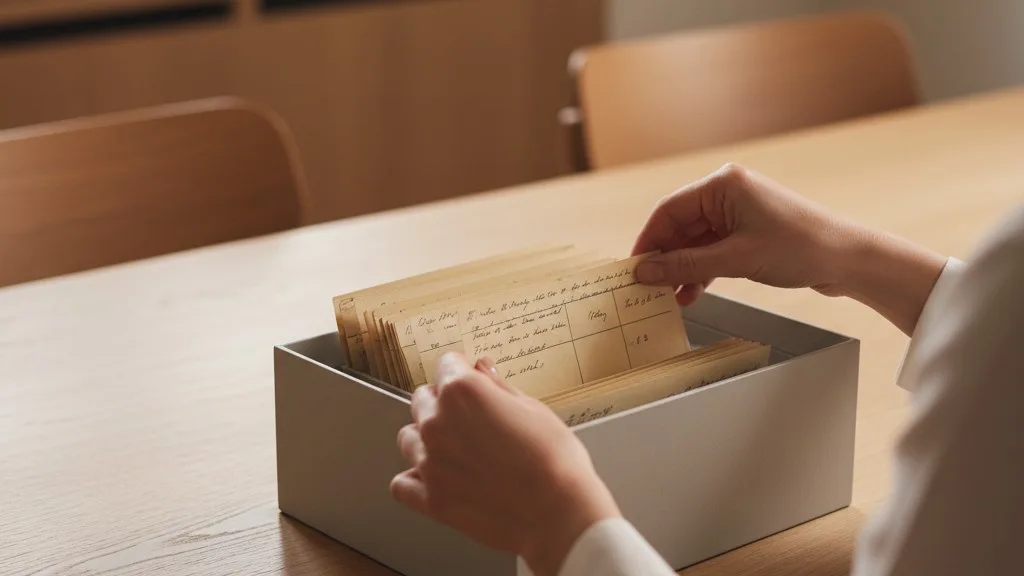
The traditional method involves manually recording perpetual care contributions on individual lot cards or in a dedicated ledger book. For each sale, a clerk calculates the required amount and notes the payment and subsequent deposit to the trust. While simple to start, this system is prone to human error, difficult to audit, and vulnerable to physical damage like fire or water.
Spreadsheets
Many cemeteries have migrated from paper to spreadsheets. A well-designed spreadsheet can automate the calculation of the perpetual care portion for each sale and provide a running total. However, spreadsheets can become complex and unwieldy over time. They lack built-in controls, making it easy to accidentally delete data or formulas. They also create version control problems when multiple staff members need access, leading to disconnected and inconsistent records.
Dedicated Cemetery Management Software
Modern cemetery management software provides the most reliable and efficient way to track perpetual care. These systems are designed to handle the specific needs of a cemetery office. When a contract is created, the software can automatically calculate the perpetual care amount based on pre-set rules and link it directly to the space, the owner, and the invoice. This creates a clear, auditable trail from the initial sale to the final deposit.
For example, in Sunset, perpetual care is a core part of the financial workflow. The system can be configured with your state's required percentage, and it will automatically apply it to sales of spaces. When payments are recorded against an invoice, the software tracks which portion is for the perpetual care fund, simplifying the process of transferring funds to your trust and ensuring your records are always accurate and up-to-date. This integration eliminates manual calculations and reduces the risk of costly errors.
Frequently Asked Questions (FAQ)
What happens if the perpetual care fund income isn't enough for maintenance?
If investment income is insufficient to cover maintenance costs, the cemetery must find other revenue sources or reduce expenses. The principal of the trust cannot be used to cover shortfalls. This situation highlights the importance of prudent fund management and realistic budgeting. Cemeteries may also raise funds through donations or special assessments if their bylaws and local regulations permit.
Is perpetual care the same as pre-need?
No, they are different concepts. Perpetual care relates to the long-term maintenance of the entire cemetery grounds. Pre-need refers to arrangements made by an individual before their death for their own funeral and burial services and merchandise. While a pre-need contract for a burial space will include a perpetual care contribution, the two terms address separate aspects of cemetery operations.
Can a family pay for extra care for a specific grave?
Yes, but this is usually handled outside of the standard perpetual care fund. Many cemeteries offer separate services, sometimes called