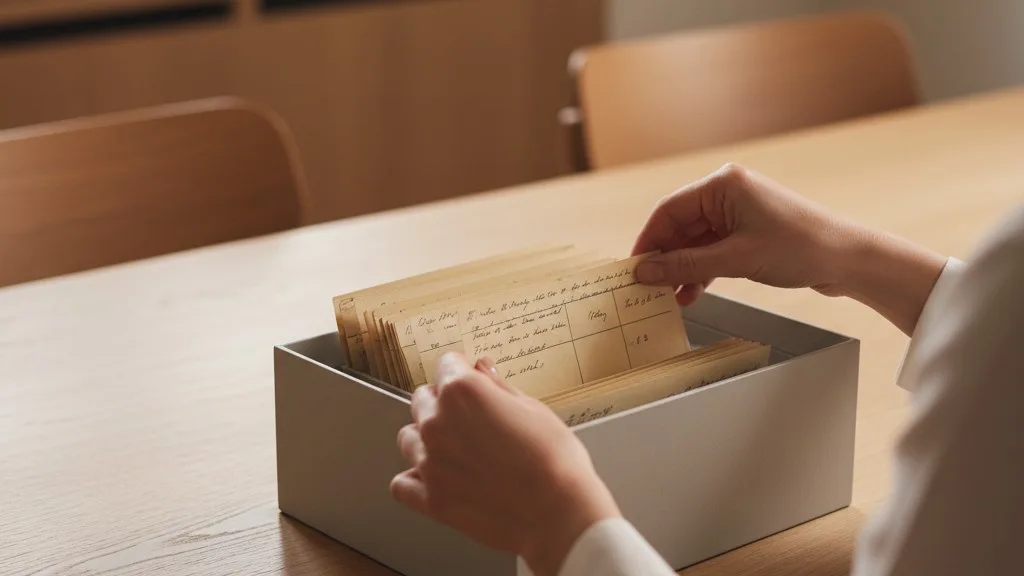
Most cemetery management software is built by technology companies, not by people who have spent their lives walking the grounds and managing the records. This can create a frustrating gap between a program’s features and the real work of a cemetery office. We built Sunset because we lived with that gap for decades, running our family’s cemeteries on a patchwork of paper systems and disconnected software that never quite fit the job.
This isn’t just our company’s origin story. It’s an explanation of why Sunset is designed the way it is, solving the practical, day-to-day challenges you face in your own cemetery. Our software was born from necessity and shaped by generations of hands-on experience. Understanding where it comes from will help you see how it can bring clarity and efficiency to your operations.
What Happens When Software Doesn't Match Reality?
When software is designed by people unfamiliar with the cemetery profession, it shows in the daily workflow. You might find yourself fighting the system to record a simple interment, track a complex ownership transfer, or answer a family’s question quickly. These small frustrations add up, creating inefficiency and room for error.
Common problems with generic or poorly designed software include:
- Disconnected Records: A decedent’s interment record isn’t linked to their family’s ownership record. A payment is recorded in one system, but the contract lives in a filing cabinet, and the space status is on a spreadsheet. Finding the complete story of a single plot can require consulting three or four different sources.
- Inflexible Data Models: The software can’t handle the unique situations that arise in every cemetery. It might not allow for multiple interments in one space, have a clear way to document ownership transfers between family members, or track the specific details of perpetual care funds.
- Clunky Workflows: Simple tasks take too many clicks. Generating a deed or a work order requires manually copying and pasting information, which is slow and invites mistakes. The software feels like an obstacle rather than a tool that helps you get the job done.
We knew there had to be a better way—a system built around the core truths of cemetery work, not one that forces you to adapt your work to its limitations.
A Foundation in Cemetery Operations
The story of Sunset and our parent company, LarkTek, begins long before we wrote a single line of code. It starts with the Larkin family, who have operated cemeteries and funeral homes in the Salt Lake Valley since 1885. This wasn't just a business; it was a multi-generational commitment to serving communities with compassion and care.
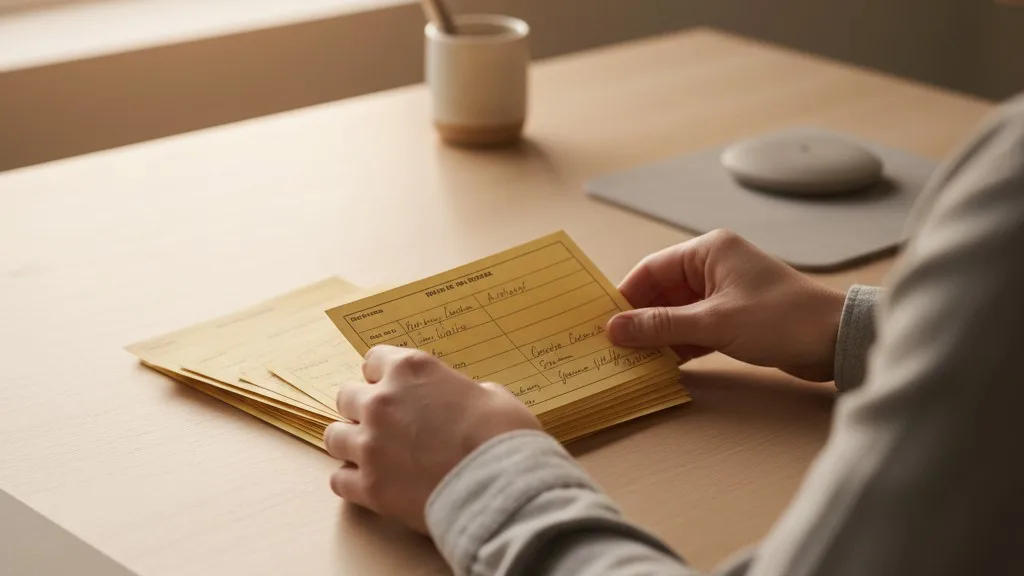
Running a cemetery for over a century teaches you a few things. You learn that records are sacred and must be permanent. You learn that family questions need immediate, accurate answers. You learn that a misplaced deed from fifty years ago can cause real distress for a family today. For years, we managed this complexity with the same tools as everyone else: heavy plat books, walls of filing cabinets, and eventually, a mix of spreadsheets and early software that only solved parts of the problem.
This firsthand experience became the blueprint for Sunset. We weren’t trying to guess what a cemetery superintendent needed; we were the superintendents, clerks, and groundskeepers. We knew the pain of searching for a single lot card in a dusty box and the anxiety of wondering if a plot sold yesterday was already owned by someone else. That’s why we decided to build our own solution from the ground up, based on the real-world logic of cemetery management.
How Does This Shape the Software?
Building software from an operator’s perspective means every feature is tied to a real-world task. The design philosophy is simple: make the right information easy to find and the correct workflow easy to follow. Here is how that practical approach shows up in Sunset.
Connecting People, Spaces, and Ownership
In a cemetery, everything is connected. A person can be an owner, then later an interred decedent. A single deed can cover multiple spaces. A payment plan is linked to a specific family and the spaces they are purchasing. Sunset was built around a unified data model that reflects these relationships.
Instead of separate databases for “owners” and “interments,” Sunset uses a single, shared Person record. When a family member calls, you can see their entire history with the cemetery in one place—the plots they own, their family members who are interred, and any active contracts or payments. This prevents duplicate entries and gives you a complete, 360-degree view, so you can answer questions confidently without putting someone on hold to go find another file.
Mapping That Follows Your Grounds
Cemetery maps are not just pictures; they are a visual index to your most critical inventory. We designed Sunset’s mapping to reflect the physical reality of a cemetery. The system is organized in a clear hierarchy: Organization → Cemetery → Section → Subsection → Space. This structure is logical and familiar because it’s how you already think about your grounds.
When you click on a space in the map, you aren’t just seeing a colored square. You are accessing the live record for that grave, niche, or crypt. You can instantly see its status (available, sold, occupied), who owns it, who is interred there, and any associated records. This makes managing inventory and selling new plots straightforward and virtually eliminates the risk of double-selling a space. This integrated approach is a core reason modern cemetery management software is no longer optional for professional operations.
Workflows That Match Your Office
From the first inquiry to the final interment, a cemetery office runs on a series of established procedures. Sunset digitizes these workflows without overcomplicating them. For example, when you sell a plot, the system guides you through creating a contract, generating an invoice, and recording the payment. If the family chooses a payment plan, Sunset can track the payments and automatically mark the spaces as fully purchased when the balance is paid.
We also know that every cemetery has its own unique documents. Sunset allows you to generate deeds and contracts from your own templates. You can also attach custom forms and checklists to ensure every step of a burial or marker installation is completed and documented correctly. This flexibility ensures the software adapts to you, not the other way around.
Built for the Long Term
Cemetery records are not like other business data. They must last forever. That responsibility is at the core of our design and our company. As a family-owned business with deep roots in the profession, we understand that you are not just buying a tool; you are entrusting your community’s history to a partner. The software must be reliable, secure, and backed by people who understand the weight of that responsibility.

We built Sunset to be the system we always wished we had. It’s a tool designed to bring peace of mind to cemetery managers, allowing them to focus less on paperwork and more on serving families. It provides a single source of truth for all your records—from deeds and interments to payments and memorials. This clarity and control are essential for preserving the legacy of your cemetery for generations to come. To learn more about our history and the team behind the platform, you can read about our story.
Frequently Asked Questions
Is Sunset designed for a specific size of cemetery?
Sunset is built for independent cemeteries of many sizes, from small church or municipal cemeteries to larger memorial parks and cemetery groups. The system is designed to scale, whether you manage a few hundred spaces or tens of thousands, providing the same clear, centralized record-keeping for all.
We still use paper lot cards. How hard is it to switch?
Moving from paper records to software is a significant project, but it is a manageable one. The process typically involves a dedicated data migration phase where your existing records—from lot cards, plat maps, and spreadsheets—are carefully imported into Sunset. Our team works with you to ensure the data is clean and accurate before you go live.
Can Sunset handle our cemetery’s unique rules and pricing?
Yes, Sunset is designed to be flexible. You can configure pricing per space or have it inherit from the section, matching how you structure your general price list. You can also create custom forms, document templates, and checklists to match your cemetery's specific operational requirements and local regulations. Always be sure to confirm requirements with your local authorities.
Sunset is more than just software; it's a reflection of our family’s commitment to the cemetery profession. It’s built to solve the real problems you face every day, with a deep respect for the records you protect.
If you’re tired of fighting with spreadsheets and disconnected systems, we invite you to see how software built by cemetery people can make a difference. Schedule a conversation with us to see if Sunset is the right fit for your cemetery.