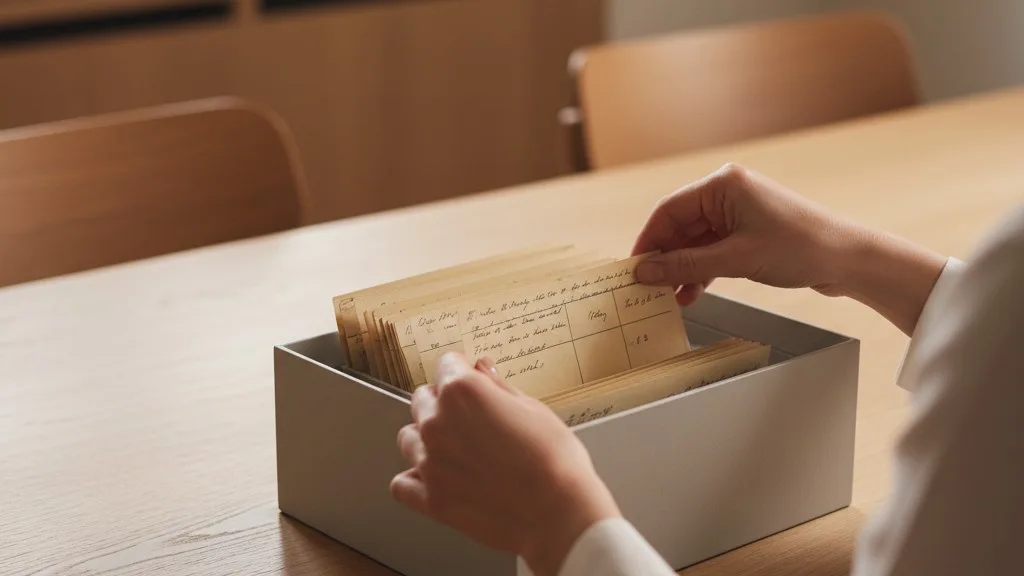
Cemetery software improves the family experience by providing your staff with instant access to accurate, reliable information. This allows you to answer questions quickly, streamline arrangements, and reduce the potential for errors during a stressful time for families. By replacing slow, manual processes, your team can dedicate more time to providing compassionate, personal support.
How Does Accurate Information Improve the Family Experience?
Accurate information is the foundation of a positive cemetery family experience because it builds trust and provides peace of mind. When a family is grieving, the last thing they need is uncertainty about their loved one’s final resting place or the details of their arrangements. Modern cemetery software creates a single source of truth for all your records, ensuring every member of your team has the same correct information at their fingertips.
Imagine a family calls with a question about their grandfather’s interment from decades ago. Instead of placing them on hold while you search a dusty file room or decipher an old ledger, your staff can find the answer in seconds. With a centralized system, you can instantly confirm the exact location of a space, review ownership history, and see all associated documents. This speed and precision demonstrate competence and care, reassuring the family that their loved one’s legacy is in good hands.
This accuracy extends to every interaction. During at-need arrangements, you can confidently show available spaces without the risk of a double sale. When discussing pre-need contracts, you can pull up the exact terms, payment history, and any special requests instantly. This eliminates confusion and prevents the painful conversations that arise from outdated cemetery records. By ensuring every detail is correct, from the spelling of a name to the location on a map, you replace potential friction with a smooth, professional, and empathetic experience.
What Does a Better At-Need Arrangement Process Look Like?
A better at-need arrangement process is one that is calm, clear, and efficient, minimizing stress for a grieving family. Cemetery software transforms this critical interaction from a series of disjointed, paper-based steps into a guided, seamless workflow. When a family walks into your office, your focus should be on them, not on the administrative burden of the task at hand.

Without integrated software, an at-need sale can be chaotic. Your staff might have to consult a large paper map to find available plots, then cross-reference a separate binder for pricing, and finally pull a physical file to check ownership status. Each step introduces a delay and a risk of error. A family may choose a plot only to find out later it was already sold, a deeply upsetting experience that damages your cemetery's reputation.
With cemetery software, the process is different. Your staff can sit with the family and view a digital map of the grounds on a single screen. You can filter for available spaces that meet their criteria—perhaps in a specific section or near other family members. Clicking on a space can instantly display its price, size, and any other relevant details. This visual, interactive approach helps families make a confident decision without feeling overwhelmed.
Once a space is chosen, the software guides you through the rest of the process. It can generate a contract with the family’s and decedent’s information pre-filled, create an invoice with the correct line items, and record the initial payment. All related documents are linked to the space and the family’s record automatically. This not only saves immense time but also ensures that no detail is missed. The result is an experience that feels organized and respectful, allowing the family to focus on honoring their loved one, not on administrative hurdles.
Why Is Quick Access to Pre-Need Information So Important?
Quick access to pre-need information is important because it allows you to honor the plans a person made for themselves, providing comfort and clarity to their surviving family. When a family comes to you after a death, knowing that the major decisions have already been handled is a significant relief. Cemetery software makes retrieving these pre-need records instantaneous and reliable, preventing confusion at a critical moment.
Consider a scenario where a family arrives to make arrangements, mentioning that their mother purchased a plot years ago. In a paper-based system, this could trigger a lengthy search through filing cabinets, binders, or card indexes. If the records are misplaced, incomplete, or hard to read, you may not be able to locate the information. This situation creates anxiety for the family and forces them to revisit decisions they thought were already settled.
Cemetery software eliminates this uncertainty. By searching for the owner's name, you can pull up the complete pre-need record in seconds. This includes the original contract, the specific space that was purchased, proof of ownership, and any notes or special instructions left behind. You can confidently tell the family, “Yes, your mother made all her arrangements. Here is the space she chose, and everything is paid in full.” This simple confirmation is incredibly powerful, validating the deceased's foresight and easing the family's burden.
Furthermore, easy access to pre-need details helps ensure a smooth cemetery operations workflow. The grounds crew receives a work order with the precise location and interment details, directly from the official record. The office can confirm that all financial aspects are settled. This integration between the family-facing conversation and the back-office execution prevents errors and ensures the service proceeds exactly as planned, providing a respectful and seamless experience.
How Can Cemetery Software Help Families with Genealogy and History?
Cemetery software can help families with genealogy and history by transforming your cemetery from a simple repository of records into an accessible, searchable archive. Many people who visit a cemetery are not there for a recent service; they are exploring their family tree, connecting with their heritage, and seeking out the stories of ancestors. Modern software with public-facing features can directly support this journey of discovery.
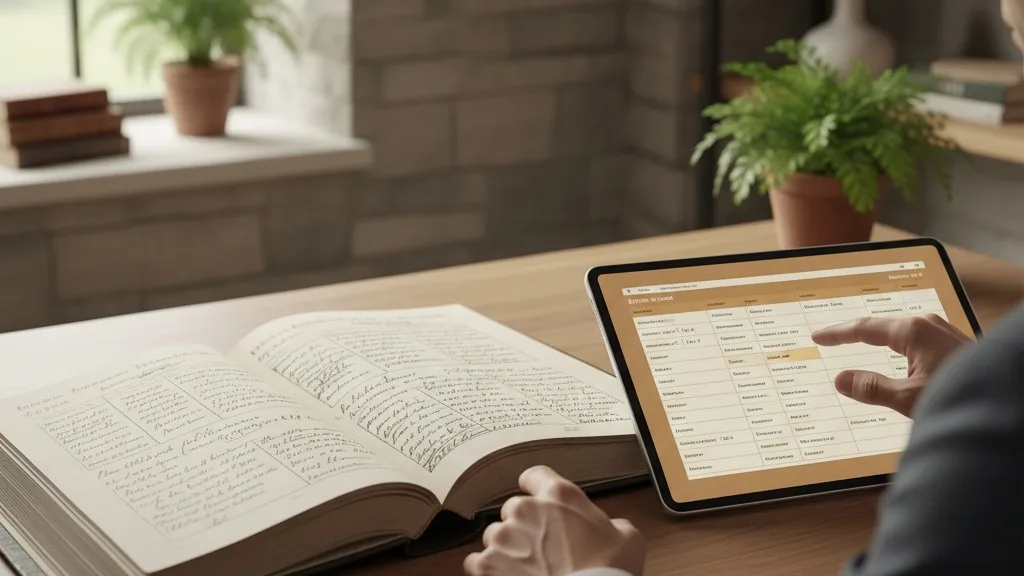
Traditionally, a genealogist or family member visiting a cemetery would need to stop by the office during business hours. A staff member would then have to manually search through records to find the location of a specific grave, a process that takes time away from other duties. If the visitor arrives after hours or on a weekend, they might be left to wander the grounds aimlessly, hoping to stumble upon the right headstone.
Cemetery software like Sunset can change this entirely by offering optional public memorial pages. With this feature enabled, you can provide an online, searchable database of the interments in your cemetery. A family member from across the country can visit your website, type in an ancestor’s name, and see their date of birth, date of death, and a map showing their exact resting place. This self-service tool is a remarkable asset for families, providing instant answers and a powerful connection to their past.
These public pages can become a living tribute. Families can be given the ability to contribute photos, obituaries, and stories, building a rich, collaborative history centered on your cemetery. This not only enhances the cemetery family experience but also fosters a deeper sense of community around your grounds. Your cemetery becomes more than a place of rest; it becomes a dynamic resource for remembrance and storytelling, valued by the families you serve today and by generations to come.
What Role Does Communication Play in the cemetery Family Experience?
Communication plays a central role in the family experience, as clear and consistent information is key to building trust and providing comfort. From the first phone call to the years following an interment, every interaction shapes a family’s perception of your cemetery. Cemetery software acts as a central hub for communication, ensuring that every staff member is working from the same information and that messages are never lost.
In a busy cemetery office, details can easily fall through the cracks. A family might call the office with a special request for the grounds crew, but if the message is only written on a sticky note, it might not reach the right person. This breakdown in communication can lead to unfulfilled promises and disappointed families. A unified software system prevents this by providing a single place to log notes, tasks, and work orders tied directly to a specific family or space.
For example, if a family requests that a new flower vase be placed before an anniversary, a staff member can create a task in the system assigned to the grounds supervisor. The supervisor sees the request, completes the work, and marks the task as done. This creates a clear, auditable trail and ensures the family’s request is honored. This level of organization and reliability shows families that you are listening and that you care about the small details.
This applies to financial communication as well. With an integrated system for billing, you can easily track payment plan installments, send reminders, and generate statements. When a family member calls with a question about their account, any staff member can pull up their complete payment history and provide a clear, accurate answer. This transparency prevents misunderstandings and financial stress, further contributing to a positive and professional cemetery family experience.
Frequently Asked Questions
How does software help if a family doesn't know where a loved one is buried?
Cemetery software provides a powerful search function that allows staff to locate an individual's records in seconds using just a name or date. Once found, the record will show the exact grave, niche, or crypt location on a digital map, complete with section and plot numbers. This eliminates frustrating manual searches through old books and allows you to guide the family to the precise spot immediately.
Can cemetery software help us communicate with families more easily?
Yes, by centralizing all family contact information, pre-need agreements, and communication history in one place. Some systems can also generate documents like deeds and contracts from templates, ensuring consistent and professional communication. By having a complete record of all interactions, your team can provide informed and personal service every time a family calls or visits.
Will our older staff members be able to learn new software?
Modern cemetery software is designed to be intuitive and user-friendly, often mirroring the workflows that staff already use. Reputable providers offer comprehensive training and ongoing support to ensure your entire team feels confident using the new system. The time saved and errors prevented by moving away from paper records often make the transition well worth the initial learning curve for staff of all ages.
Does using software make the experience less personal?
On the contrary, software makes the experience more personal by handling the administrative tasks that distract your staff from focusing on the family. When your team isn't searching for files or worrying about double-selling a plot, they have more time and mental energy to offer genuine compassion and support. It automates the paperwork, not the people work.
How can software help families who live far away?
Software with public-facing online portals allows distant family members to engage with your cemetery from anywhere in the world. They can use a searchable map to find a loved one's location, view photos of the headstone, and sometimes even contribute their own stories or memories. This digital accessibility is a huge benefit for families who are unable to visit in person.
A More Compassionate, Connected Cemetery
Ultimately, improving the cemetery family experience comes down to providing clarity, accuracy, and compassion at every step. Modern cemetery software provides the foundation for all three. By organizing your data, streamlining your workflows, and creating a single source of truth, you empower your staff to do their best work. The result is a more professional, reliable, and humane experience for the families who place their trust in you.
If your paper records or outdated systems are creating friction for your staff and the families you serve, see how Sunset is designed to solve these real-world problems. We invite you to book a conversation with our team to learn more.