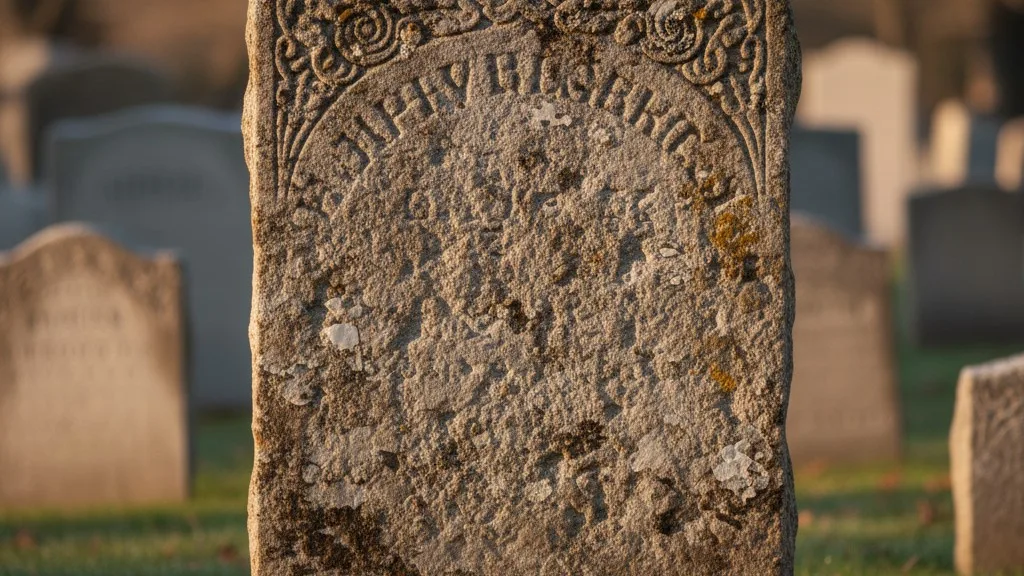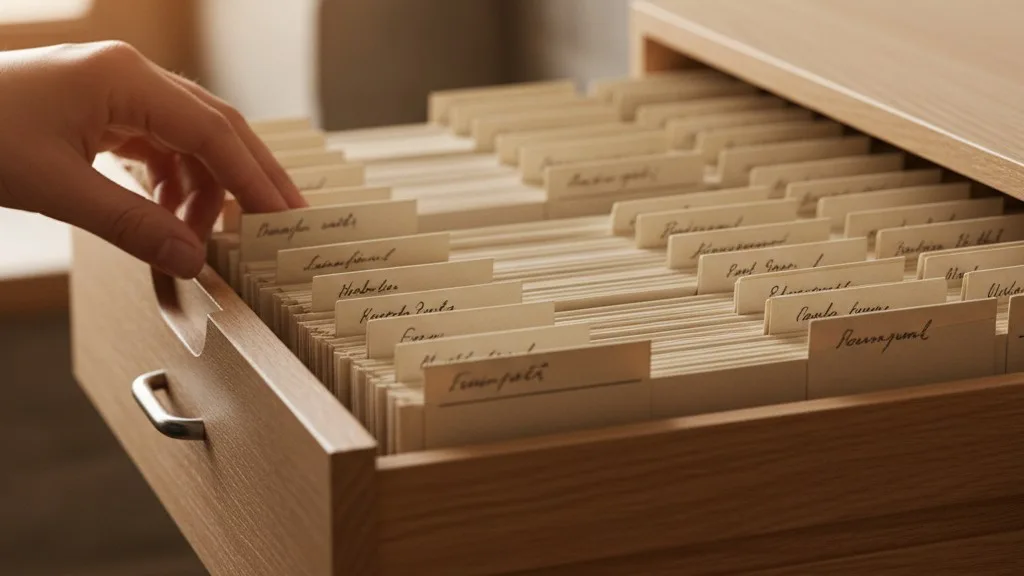
The meaning behind a headstone is the complete story of the person interred—their life, family connections, and legacy. As a cemetery professional, your role extends beyond maintaining the grounds; you are the custodian of these stories. Providing clear and comprehensive cemetery information for families is essential for honoring the deceased and serving the living, and modern record-keeping practices are the key to preserving this vital information for generations to come.
What Information Truly Lies "Behind the Stone"?
The information that gives a memorial its full meaning goes far beyond the name and dates carved into granite. A complete record captures multiple layers of data, each contributing to a richer, more complete picture that serves families, historians, and your own staff.
Interment and Location Details
This is the foundational layer of information. It includes the decedent's full name, dates of birth and death, and the precise location of their interment. Accurate location data—cemetery, section, lot, and space—is the most critical piece of operational information, preventing mis-burials and ensuring families can always find their loved ones. Modern systems use GPS coordinates for absolute precision, eliminating the ambiguity of old paper maps.
Ownership History and Legal Documents
Every plot has a legal history. This includes the original purchase agreement, the deed, and a complete, unbroken chain of ownership transfers. Tracking this information meticulously is essential for resolving ownership questions, facilitating future interments in family plots, and preventing legal disputes. These records answer questions like: Who has the right of interment? How many spaces are available in this family lot? Having digital copies of deeds and transfer documents attached directly to the plot record makes this information instantly accessible.
Family Connections and Genealogy
A cemetery is a map of family relationships. Recording connections between individuals—spouses, parents, children, and other relatives—transforms a simple list of names into a valuable genealogical resource. When a family member calls, being able to see these relationships helps your staff provide more compassionate and informed service. It allows you to quickly identify adjacent family plots or locate the graves of other relatives, making your cemetery an indispensable resource for those tracing their roots.
Biographical Stories and Media
The richest layer of meaning comes from the story of the life lived. This includes obituaries, biographical notes, photographs, and even links to external articles or family websites. While paper records could rarely accommodate this level of detail, digital systems can. Attaching a PDF of an obituary or a scanned photograph to a decedent's record preserves the human story that a name and dates alone cannot convey. This is the information that turns a historical record into a personal legacy.
Memorial and Marker Details
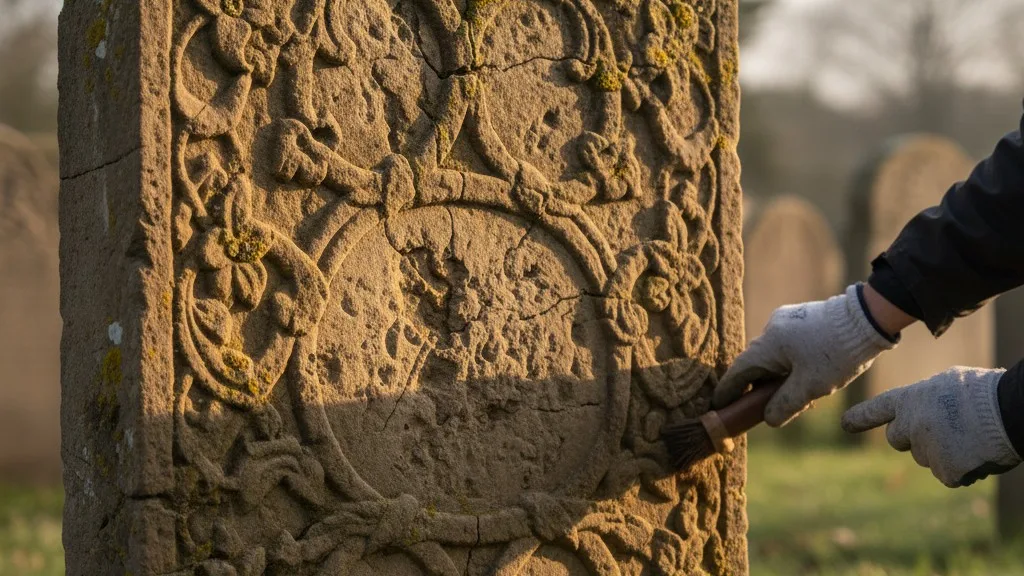
The stone itself tells a story. Documenting the specifics of the memorial—material, size, inscription, and the meaning of any symbols—adds another dimension to the record. Tracking the condition of the marker over time is also a crucial part of long-term maintenance. A simple note and a photo can document cleaning, repairs, or damage, creating a maintenance log that ensures the physical memorial is cared for just as well as the digital record.
How to Capture the Full Story of Each Burial
Capturing this rich information requires a systematic approach that integrates with your daily cemetery operations workflow. It begins with moving beyond basic paper ledgers and fragmented spreadsheets toward a centralized system.
Establish a Central Digital Record System
The first step is to create a single source of truth for all cemetery data. A centralized digital system, like cemetery management software, eliminates information silos. Instead of hunting through a filing cabinet for a deed, a spreadsheet for an interment date, and a paper map for a location, your staff can find everything in one place. This consolidation is the foundation for building and preserving richer records.
Go Beyond the Basics During Data Entry
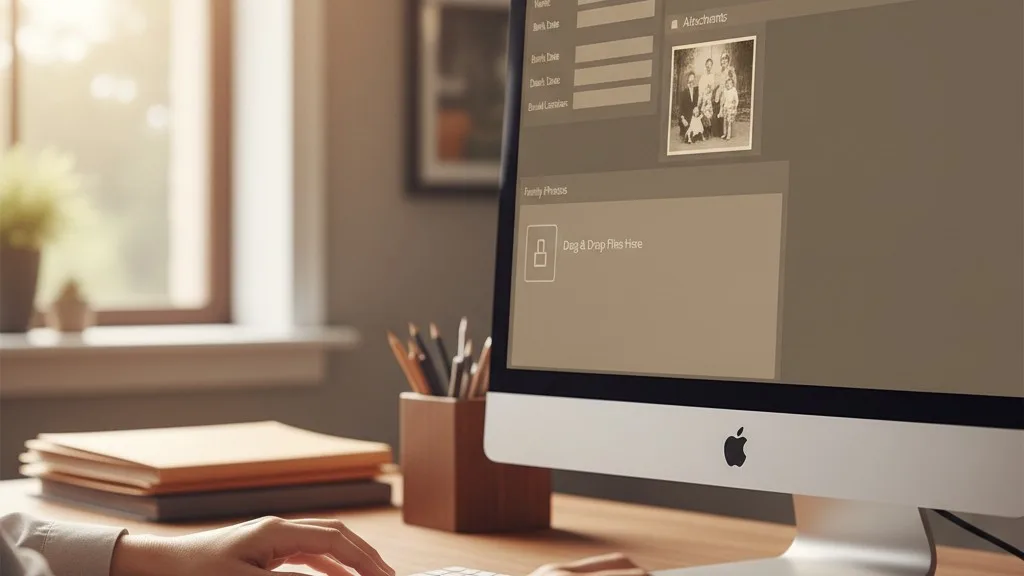
Train your staff to think like archivists. When recording a new interment or updating an existing record, prompt for more than just the essential data. Create dedicated fields or notes sections for biographical information, family relationships, and obituary text. Make it a standard practice to scan and attach all related documents, such as burial permits, deeds, and marker setting orders. Sunset, for example, allows you to attach any file to an owner, decedent, or contract record, creating a complete digital file.
Integrate Information from Different Sources
The full story often comes from multiple sources. You might receive an old family photograph from a descendant, find a detailed obituary online, or be given a handwritten family tree by a visiting relative. Your record-keeping system should make it easy to add this information as it arrives. A flexible system allows you to update records over time, continuously enriching the story behind each stone. This turns routine inquiries into opportunities to build a more complete archive.
Use Your Records to Answer Family Questions
A well-maintained digital archive becomes an active tool for family service. When a family member calls with a question, your staff can provide instant, accurate answers. With a system like Sunset, you can pull up a complete record in seconds, see the exact grave location on a map, view the ownership history, and access any attached documents or notes. This level of responsiveness demonstrates professionalism and compassion, turning a simple query into a positive experience that builds trust.
Why Preserving This Deeper Information Matters
Preserving the full story behind each stone does more than improve your office efficiency; it fundamentally enhances the value of your cemetery for the community. It transforms the grounds from a static place of burial into a dynamic archive of local history and personal legacy.
For families, access to this detailed information provides comfort and a tangible connection to their ancestors. It aids in grieving, supports genealogical research, and ensures the stories of their loved ones are not forgotten. For historians and researchers, a well-documented cemetery is an invaluable primary source for understanding a community's past.
For your cemetery, this commitment to preservation builds a reputation for excellence and care. It fosters community engagement, encourages volunteerism, and solidifies your role as a vital cultural institution. Operationally, it reduces errors, minimizes legal risks associated with ownership disputes, and empowers your staff to provide a higher level of service. Ultimately, by preserving the meaning behind each stone, you are securing your cemetery's own legacy as a faithful steward of memory.
How Software Helps Preserve the Meaning
Cemetery management software provides the practical tools to capture, store, and share the rich stories behind the headstones. It acts as a central vault for the diverse types of information that constitute a person's legacy.

Instead of relying on fragile paper and disconnected files, software creates a unified digital record for every person. In Sunset, a single Person record can be linked to ownership records, multiple interment records, and family relationships. This ensures that when you look up an individual, you see their entire history within the cemetery at a glance.
Custom fields and file attachments are where the story comes to life. You can create fields to track specific information important to your cemetery, like military service or community affiliations. The ability to upload documents—scanned obituaries, historical photos, deeds, and handwritten notes—means that the qualitative, human details are stored right alongside the quantitative data of dates and locations. This makes the information accessible and prevents it from being lost in a separate filing cabinet.
By centralizing this data, you make it immediately useful. When a family member calls, your staff doesn't have to put them on hold to search for a physical file. They can instantly answer questions about available family plots, confirm rights of interment, or share a stored obituary, providing a compassionate and efficient experience. This is how cemetery technology enhances the personal touch, by freeing your team to focus on the family in front of them.
Frequently Asked Questions
What's the first step to start preserving more detailed stories?
The first step is to perform an audit of your existing records to understand what information you have and where it's stored. A cemetery records audit will reveal inconsistencies and highlight opportunities for improvement. From there, you can create a plan for centralizing this data into a single digital system.
How can we gather biographical information for past interments?
Start with the documents you already have, like old lot cards and interment logs, which may contain notes or clippings. You can also engage your community by inviting families to share stories and photos of their ancestors. Local historical societies and online genealogy websites can also be valuable sources for obituaries and biographical data.
Is it a security risk to store so much personal information digitally?
Modern cloud-based cemetery software is often more secure than paper records, which are vulnerable to fire, flood, and physical misplacement. Reputable software providers use data encryption, regular backups, and secure data centers to protect your information. Always confirm your provider's security practices and be sure to follow local privacy regulations.
How does preserving stories help with cemetery operations?
Preserving detailed stories directly improves operations by making your staff more effective. When all information is in one place, answering questions from families, funeral directors, and monument companies becomes faster and more accurate. It reduces the time spent searching for records, which minimizes errors and allows your team to focus on providing excellent service.
More Than Just a Name on a Stone
Every marker in your cemetery represents a life filled with relationships, accomplishments, and stories. As custodians of these final resting places, your responsibility is to preserve not just the physical space, but the rich legacy of each person interred there. By adopting a systematic approach to capturing and centralizing this information, you transform your records from a simple inventory into a living archive.
This commitment honors the dead, serves the living, and secures your cemetery's place as a cornerstone of your community's heritage. A modern software system provides the tools to make this possible, ensuring these stories are protected and accessible for generations to come.
See how Sunset helps you capture the complete story behind every interment. Book a conversation with our team today.