Honoring veterans in cemeteries is a foundational responsibility that extends far beyond the interment service. It requires a commitment to meticulous record-keeping, a deep understanding of veteran burial benefits, and proactive community engagement to ensure their sacrifices are remembered by future generations. For cemetery managers, this means creating and maintaining a system that respects and accurately represents the service of every veteran entrusted to your care.
What Are a Cemetery's Core Responsibilities to Veterans?
A cemetery's core responsibilities to veterans involve accurately documenting their service, assisting families in securing rightful benefits, and ensuring their final resting place is maintained with dignity. This begins the moment a family makes an inquiry and continues in perpetuity. It is a sacred trust that forms a cornerstone of your cemetery's reputation and its bond with the community.
These responsibilities include several key functions:
- Assisting with Benefits: Your staff should be prepared to guide families toward the resources for obtaining veteran burial benefits, which may include a government-provided headstone, marker, or medallion, a burial flag, and Presidential Memorial Certificates. While cemetery staff cannot file claims on behalf of families, they can provide clear information and direction.
- Verifying Service: Accurate records are essential. The most critical document is the DD Form 214, Certificate of Release or Discharge from Active Duty. This document is the primary proof of service and eligibility for benefits. Your cemetery's records should have a clear, secure way to store this information.
- Coordinating Honors: For eligible veterans, families may request military funeral honors. Your role is to coordinate with the appropriate military service branch or authorized provider group to ensure the ceremony is seamless, respectful, and properly timed within the service.
- Maintaining Records: Long-term stewardship requires keeping an unimpeachable record of a veteran's service. This includes their branch of service, rank, and war period, if applicable. This information is not just for administrative purposes; it is historical data that allows future generations, researchers, and community groups to recognize the veterans in your care.
How to Ensure Accurate Veteran Records and Headstone Eligibility
To ensure accurate veteran records and confirm headstone eligibility, cemetery staff must establish a systematic process for collecting, verifying, and storing military service documentation. This process is the foundation for providing families with correct information and preventing errors that can be deeply painful to correct. The key is to treat veteran status as a vital piece of data from the first point of contact.
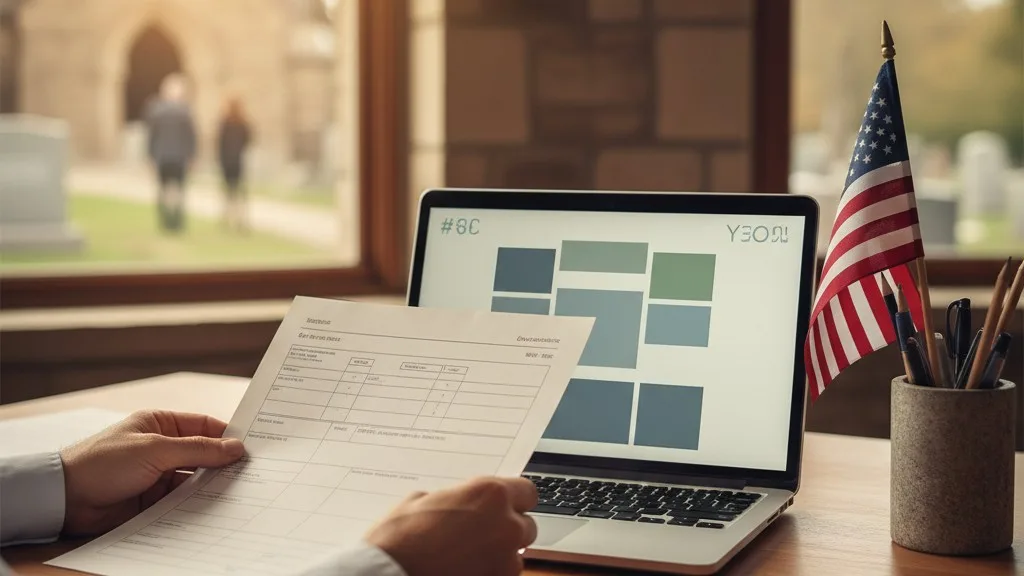
First, integrate questions about military service into your standard intake forms for both pre-need and at-need arrangements. When a family indicates the decedent was a veteran, your staff's next step is to request the DD Form 214. Explain to the family why this document is so important for securing benefits like a VA headstone or marker. If the family cannot locate the document, direct them to the National Archives website where they can request a copy.
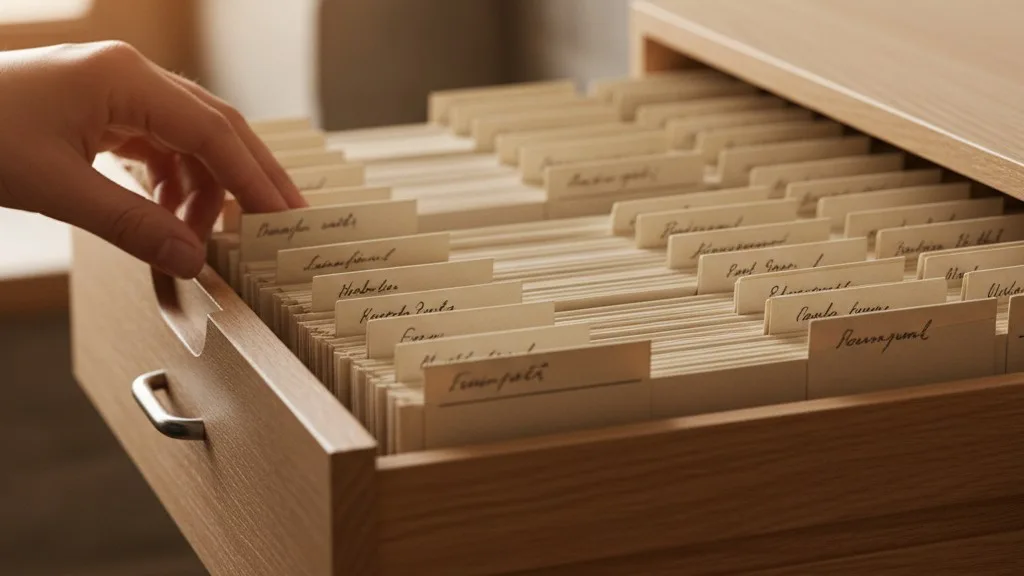
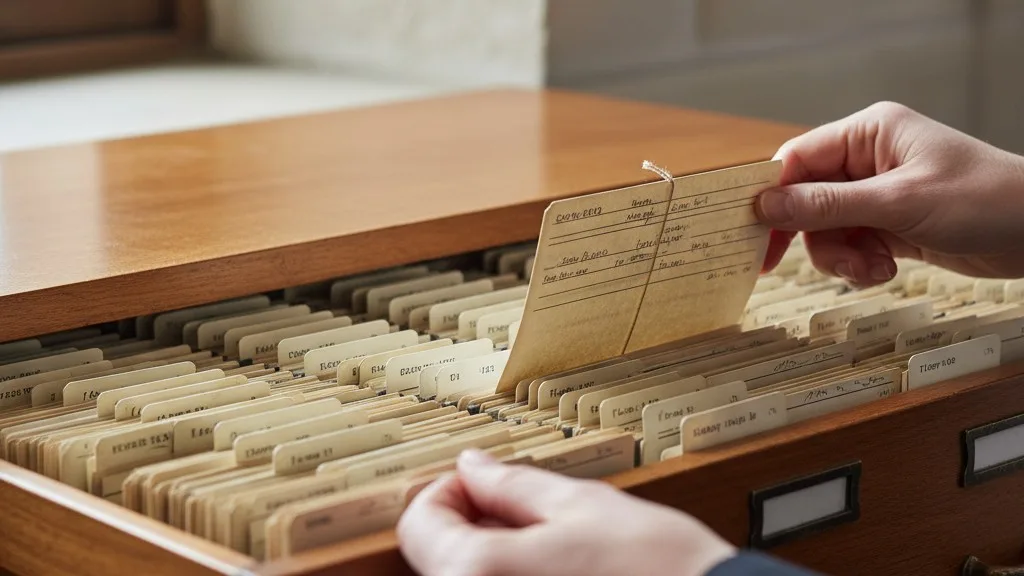
Once you have the documentation, your internal records must have a dedicated place to note the veteran's status. Simple paper files can be lost or damaged, and a note in a general-purpose spreadsheet is easily overlooked. Cemetery software helps create accurate burial records by providing specific fields for veteran information, such as branch of service, dates of service, and even a secure digital repository for a copy of the DD Form 214. This centralizes the information, making it instantly accessible to any authorized staff member who needs it, from the office administrator handling paperwork to the grounds crew preparing a site for a VA marker installation.
Finally, stay generally informed about the eligibility requirements for VA headstones, markers, and medallions. Regulations can change, so it's wise to know where to find the most current information on the Department of Veterans Affairs website. Always remind families that your cemetery does not make eligibility decisions but can help them gather the necessary documentation for their application. This positions your cemetery as a helpful and knowledgeable partner during a difficult time.
Beyond the Headstone: Creating Meaningful Tributes
Creating meaningful tributes for veterans goes beyond the placement of an official headstone and involves developing year-round programs that actively honor their service. These initiatives transform your cemetery from a passive repository of history into a dynamic place of remembrance and education. By establishing traditions, you invite the community to join you in recognizing the sacrifices made by the veterans in your care.
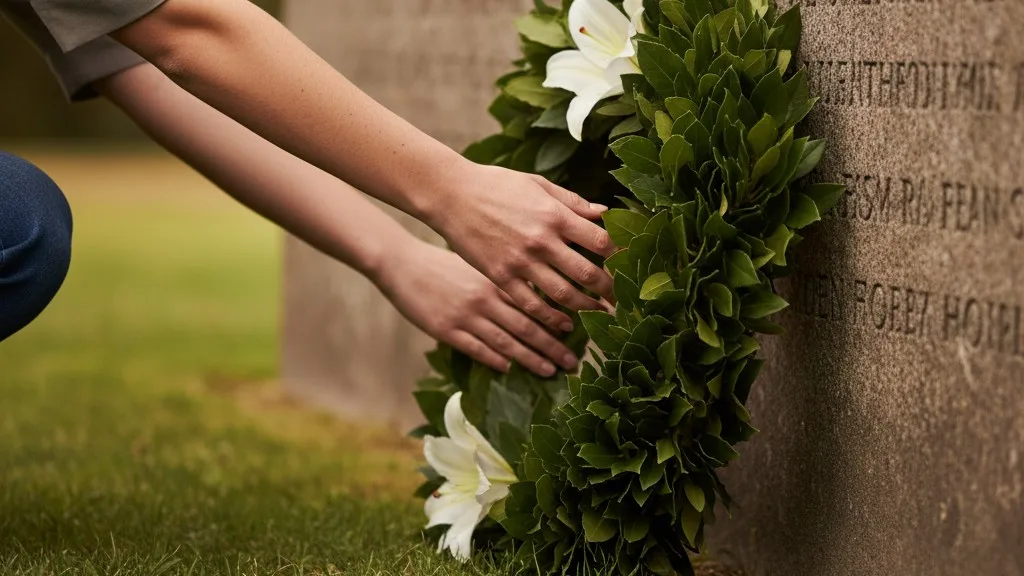
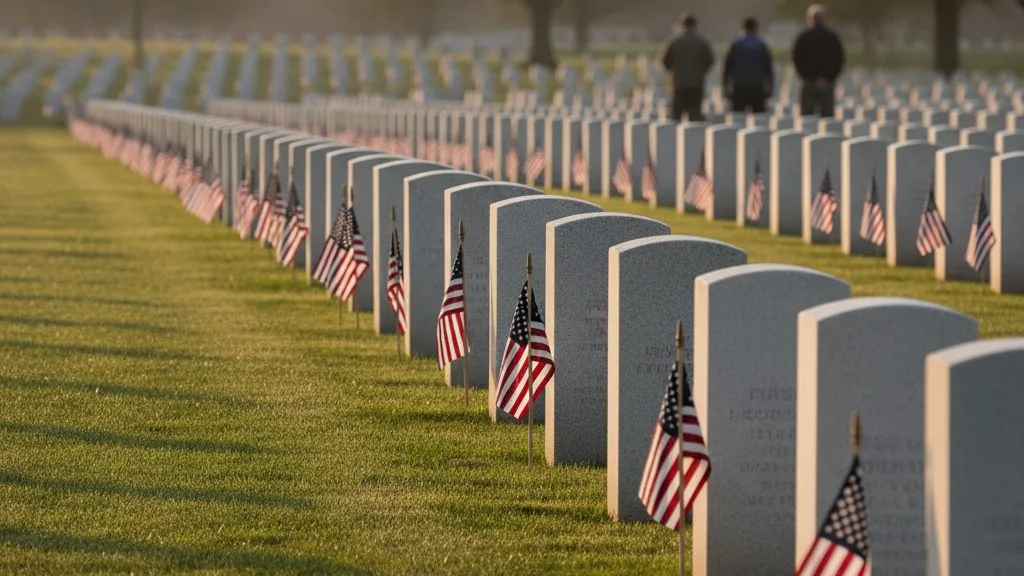
One of the most common and powerful traditions is a flag placement program. Many cemeteries coordinate with local service organizations like the VFW, American Legion, or scouting troops to place American flags on every veteran's grave for holidays like Memorial Day and Veterans Day. This requires an accurate, easily accessible list of all veteran burial locations. A digital map with veteran graves clearly marked is invaluable for volunteers, ensuring no one is missed. Sunset's mapping features allow staff to filter for veteran graves and provide volunteers with precise location information, making large-scale flag placement efficient and complete.
Consider establishing special sections or gardens dedicated to veterans. While not always feasible for established cemeteries, new or expanding cemeteries can design a specific area for veterans. This can create a powerful sense of camaraderie and a focal point for memorial services. For cemeteries without the space for a dedicated section, a central memorial feature—like a flagpole plaza, a memorial wall, or a commemorative monument—can serve a similar purpose. This provides a gathering place for community ceremonies and a site for quiet reflection.
Organizing or hosting annual ceremonies is another way to foster remembrance. Partner with local military installations, veterans groups, and civic organizations to hold events for Memorial Day, Veterans Day, or Wreaths Across America Day. These events not only honor veterans but also engage the community, especially younger generations. Effective cemetery community engagement builds a bridge between the past and the present, reminding everyone of the price of freedom.
Maintaining Veteran Sections and Memorials for the Long Term
Long-term maintenance of veteran sections and memorials requires a dedicated plan that ensures these sacred spaces receive a higher level of care and attention. The appearance of these areas reflects directly on your cemetery's commitment to honoring veterans. A weathered flag, a tilted headstone, or overgrown turf can send an unintended message of neglect.
Establish a Maintenance Schedule
Create a specific maintenance schedule for veteran graves, sections, and memorials that goes beyond your standard groundskeeping routine. This includes tasks like turf edging around markers, regular cleaning of headstones (following proper conservation guidelines), and pruning of nearby shrubs and trees. This work should be prioritized, especially in the weeks leading up to patriotic holidays.
Inspect Flags and Flag Holders
Flags and flag holders are a common point of failure. Flags become tattered and faded, and in-ground flag holders can be damaged by mowers or sink into the turf. Implement a regular inspection protocol. Staff should be trained to identify and replace worn flags and to repair or replace damaged holders. Keep a supply of replacement flags and hardware on hand to ensure prompt action.
Monitor Headstone Condition
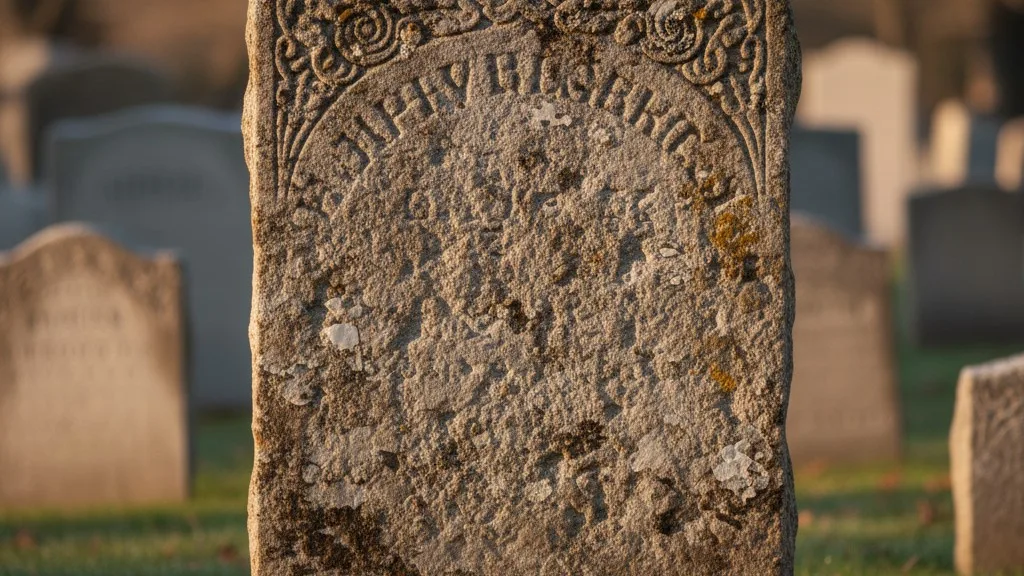
Government-issued headstones, particularly older ones, can settle, tilt, or become soiled over time. Your grounds crew should be trained to spot these issues during their regular duties. Create a workflow for reporting these problems so that a plan can be made for resetting, realigning, or cleaning the markers. For damage beyond simple maintenance, you may need to assist the family in understanding the process for requesting a replacement from the VA.
Use Technology to Manage Tasks
Cemetery operations software can be a powerful tool for managing these maintenance tasks. In Sunset, for example, you can create work orders for specific graves or sections. If a groundskeeper notices a tilted headstone, they can use a mobile device to create a task linked to that exact grave's GPS coordinates, adding a note and even a photo. The office manager can then assign the task, track its completion, and maintain a permanent record of the work performed, ensuring nothing falls through the cracks.
Frequently Asked Questions About Honoring Veterans in Cemeteries
How do we handle a family that doesn't have the veteran's DD Form 214?
If a family does not have the DD Form 214, you should compassionately guide them to the official resources for requesting it. The most direct method is through the National Archives and Records Administration (NARA) website. Do not attempt to acquire the document for them, as privacy laws restrict access to the veteran or their next-of-kin. Your role is to provide clear, helpful instructions and understand that this step may delay the process of securing benefits.
Can our cemetery create its own veteran-specific markers?
Yes, your cemetery can offer its own veteran-specific markers or memorials, but these are separate from and do not replace the official, government-provided options. If a family chooses a custom marker, they may still be eligible for a VA medallion to affix to it. Be sure to clearly explain the difference to families so they understand their options and any associated costs. Always check local regulations and your own cemetery's bylaws regarding marker styles.
What is the best way to manage volunteers for flag placement?
The best way to manage volunteers for large-scale events like flag placement is to have a clear, organized plan. Start with an accurate map and a list of all veteran grave locations. A digital map from a system like Sunset is ideal, as it can be filtered to show only veteran graves and shared with team leaders. Divide the cemetery into zones and assign a leader and a team to each zone. Provide clear instructions, a map of their zone, and all necessary supplies. A brief orientation and a clear point of contact for questions will ensure the process runs smoothly.
A veteran's government headstone is in poor condition. What can we do?
When a government-provided headstone is damaged, illegible, or in need of replacement, your first step is to document the condition. Then, you can help guide the family through the process of requesting a replacement from the Department of Veterans Affairs. The VA has specific criteria for replacement, and an application must be submitted. Your cemetery can support the family by providing accurate information about the grave location and confirming details required on the application form.
How can we honor veterans from historical eras whose service records are sparse?
Honoring veterans from earlier eras, like the Civil War or World War I, can be challenging when records are incomplete. Start by conducting a thorough audit of your historical records to identify all known veterans. For those with sparse details, focus on what you do know. You can engage local historians, genealogical societies, or preservation groups to help research service records. Even if a full record cannot be found, you can honor them collectively through memorial services, historical markers that describe the group's service, and by including their names in community remembrance events.
A Lasting Commitment
Honoring veterans is not a one-day event but a continuous, multi-generational commitment. It is woven into the fabric of daily cemetery operations, from meticulous record-keeping in the office to the dedicated care of the grounds. By establishing clear processes, engaging your community, and leveraging modern tools to maintain accurate data, you ensure your cemetery is not just a place of rest, but a living testament to the service and sacrifice of every veteran in your care.
See how Sunset's cemetery operations software helps you maintain the accurate, centralized records you need to honor every veteran with the dignity they deserve. Book a conversation with our team today.