Managing a cemetery involves juggling countless details, from tracking available spaces to handling family inquiries. If your staff has to switch between paper records, spreadsheets, and different software programs to find information, they are losing significant time and risking costly errors. A unified cemetery management software system consolidates these tasks, providing a single source of truth that saves time, reduces mistakes, and allows your team to better serve families.
What Does 'Tool Switching' Look Like in a Cemetery Office?
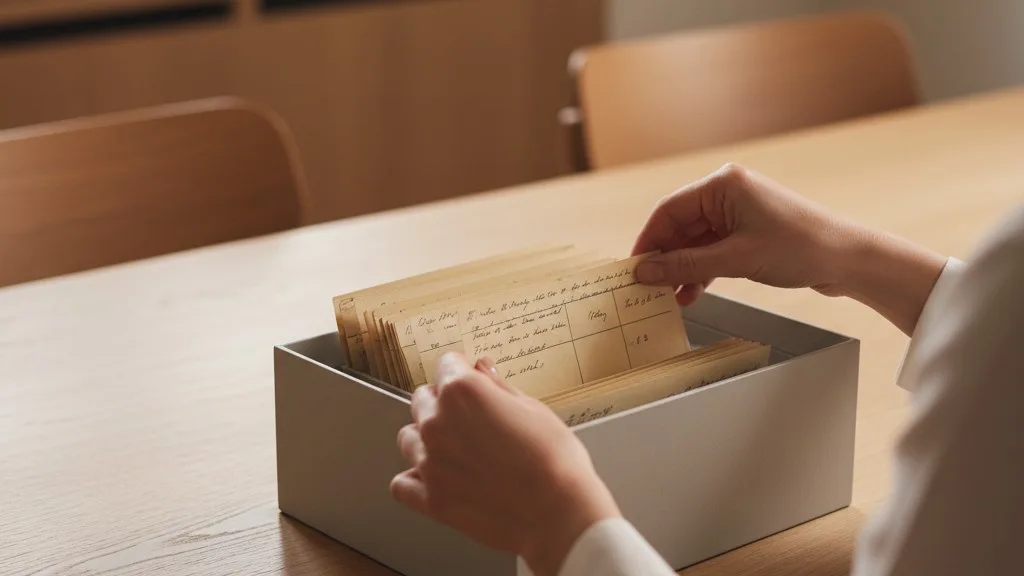
Tool switching is the act of moving between different systems to complete a single task. In a cemetery office, this often means consulting multiple, disconnected sources of information. For example, a staff member might start by pulling a physical lot card from a file cabinet to check ownership of a space. Next, they may open an Excel spreadsheet on their computer to verify payment history. Finally, they might have to consult a separate binder or a different software program to confirm interment rights and permissions.
This fragmented process isn't just inefficient; it's a daily reality for many cemetery administrators. Each switch—from paper to digital, from one file to another—introduces a delay. It breaks concentration and creates opportunities for data to be misread, misinterpreted, or not updated across all systems. A simple request can turn into a lengthy scavenger hunt, pulling staff away from more valuable work like assisting families or managing grounds operations.
How Does Answering a Simple Family Question Become So Complicated?
Answering a seemingly simple family question often reveals the deep inefficiencies of a disconnected system. Imagine a family member calls with a common inquiry: “My grandmother owns a plot in Section C. Who is buried there, and is there space for my grandfather?” To answer this, a staff member might have to perform several steps, switching tools at each one.
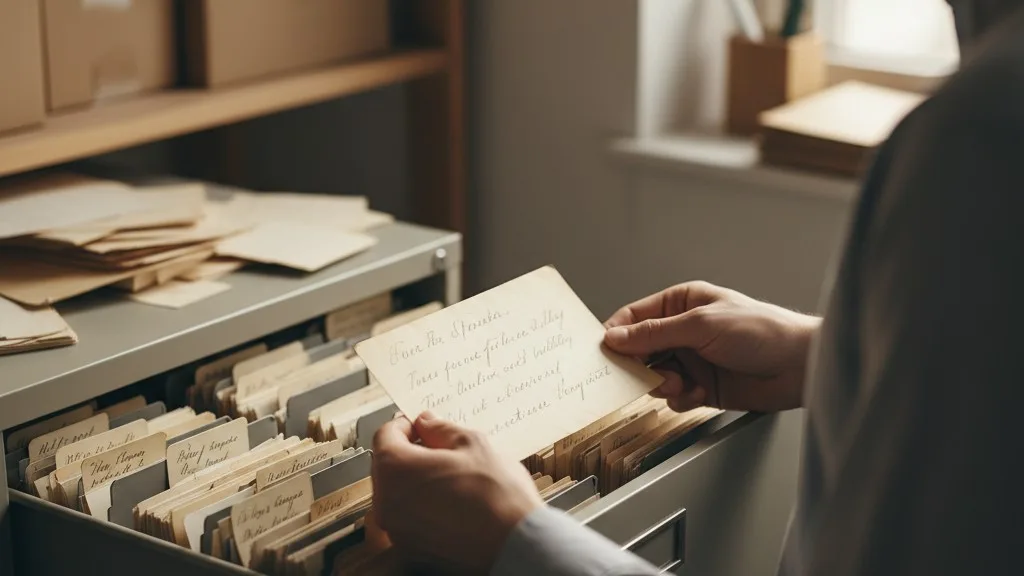
First, they need to identify the exact plot. This might involve searching a digital map, a paper map, or a spreadsheet of owners. Once the plot is located, they must find the ownership record, which could be a paper deed in a filing cabinet or a line in a customer database. Next, they check interment records. These might be on separate lot cards, in a logbook, or in a different tab of the spreadsheet. They must cross-reference names and dates to confirm who is buried in the plot.
Finally, to determine if there is space for another interment, they need to check the burial rights and plot capacity, which could be noted on the original deed or in a separate policy document. The entire process is manual, sequential, and prone to error. If any one of these records is out of date or misplaced, the answer given to the family could be incorrect, leading to serious future complications.
What Are the Real Costs of Disconnected Cemetery Records?
The real costs of disconnected cemetery records extend far beyond lost time. While inefficiency is a primary concern, the ripple effects can impact your cemetery's finances, reputation, and legal standing. Relying on a patchwork of systems creates significant operational risks that a modern cemetery cannot afford to ignore.
Wasted Staff Time and Reduced Productivity
The most immediate cost is the payroll expense for time spent searching for information instead of performing core duties. When staff are constantly toggling between spreadsheets, binders, and old software, their productivity plummets. This is time that could be spent on pre-need sales, community outreach, or improving the grounds. The constant context switching also leads to employee frustration and burnout, which can increase staff turnover and training costs.
Increased Risk of Costly Errors
Every time data is manually transferred or cross-referenced between systems, the risk of error increases. A misplaced decimal in a payment ledger, a mistyped name on an interment record, or selling the same plot twice can lead to significant financial and legal consequences. Correcting these mistakes is often far more expensive and time-consuming than preventing them with an integrated system. These errors can also cause profound distress for families, damaging your cemetery's reputation.
Poor Service for Families
Families turn to you during a difficult time and expect clear, prompt, and accurate information. When your staff has to put them on hold to hunt for records, it creates a poor experience. In a competitive market, the quality of your customer service is a key differentiator. A slow, confusing, or inaccurate response can erode trust and lead families to choose another cemetery for their future needs. Providing quick, confident answers is a sign of professionalism and compassion.
How Does Centralized Software Solve These Problems?
Centralized cemetery management software solves these problems by creating a single, authoritative system for all your operational data. Instead of information being scattered across various formats and locations, everything is stored, managed, and updated in one place. This fundamental shift from fragmented records to a unified database directly addresses the core issues of inefficiency and error.
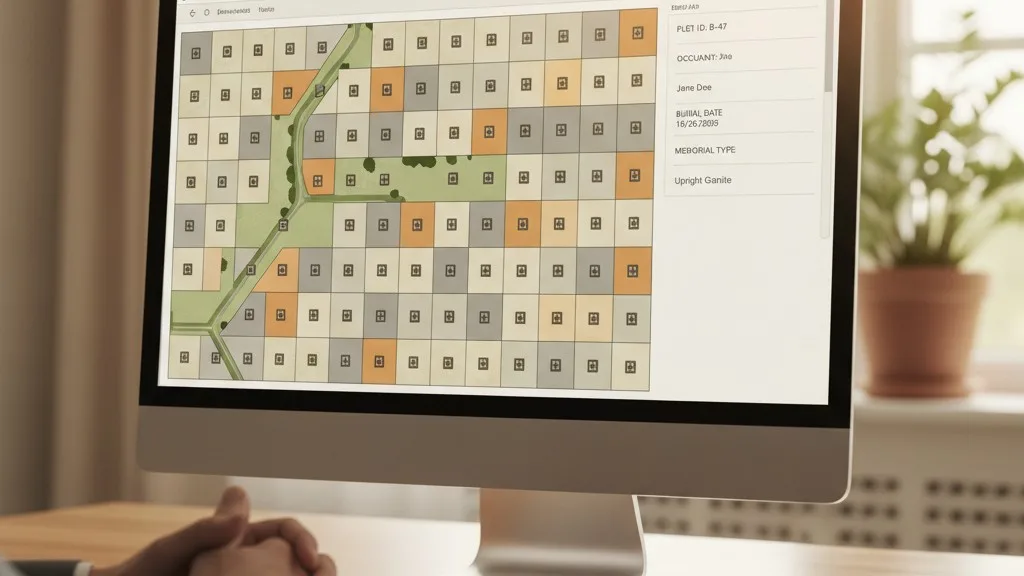
With a system like Sunset, all information related to a space—ownership, interments, financials, and memorials—is linked together. When a staff member looks up a plot, they see the complete picture on one screen. They can confirm the owner, view all interments within that space, check the payment status of the contract, and see any associated memorial orders instantly. There is no need to switch tools, because the tool contains everything.
This consolidation makes workflows dramatically more efficient. Answering a family's question takes seconds, not minutes. Generating a deed or sales contract pulls information directly from the system, eliminating manual data entry and reducing errors. Because everyone on the team is working from the same live data, the risk of selling an occupied space or providing outdated information is virtually eliminated. By replacing the patchwork of old tools, centralized software gives your team the confidence to do their jobs accurately and efficiently.
Getting Started with Unified Cemetery Management Software
Transitioning to a unified cemetery management software system is a significant step, but it is more manageable than many administrators think. The process begins with acknowledging the limitations of your current methods and identifying the specific pain points you want to solve, such as slow record retrieval or inaccurate reporting. For a deeper look at this, you can read about why modern cemetery management software is no longer optional.
The next step is to research solutions built specifically for cemetery operations. Look for software that handles the core functions of your office: space inventory, ownership records, interment tracking, sales, and billing. It is important to choose a system that can import your existing data, whether it is in spreadsheets, old databases, or even digitized paper records. A good provider will guide you through the data migration process to ensure a smooth transition.
Finally, focus on training and adoption. The best software is only effective if your team uses it correctly. Choose a partner that provides thorough training and ongoing support. Modern, web-based systems like Sunset are often designed with user-friendly interfaces that mirror real-world cemetery workflows, making them intuitive for staff to learn. By taking a methodical approach, you can successfully move your cemetery from a collection of disconnected tools to a single, powerful platform.
Frequently Asked Questions
What if our records are all on paper?
Even if your records are entirely on paper, you can transition to cemetery management software. The process typically involves scanning your paper lot cards, maps, and ledgers. Many software providers, including Sunset, can then assist with or manage the process of digitizing this information and importing it into the new system, creating a complete digital history for your cemetery.
How long does it take to switch to new software?
The timeline for switching to new software depends on the size of your cemetery and the condition of your existing records. A small cemetery with well-organized digital records might transition in a few weeks, while a large one with complex paper records could take several months. A good software partner will provide a clear project plan and timeline after assessing your specific situation.
Is cemetery management software expensive?
The cost of cemetery management software varies, but it should be viewed as an investment rather than an expense. When you factor in the time saved, the reduction in costly errors, and the improved service to families, the return on investment is often significant. Modern software is typically sold as a subscription, which makes it more accessible by avoiding a large upfront capital expense.
Will our staff be able to learn a new system?
Yes. Modern software is designed to be intuitive and user-friendly. Reputable providers offer comprehensive training and support to ensure your team feels confident using the new system. Because platforms like Sunset are built by people with direct cemetery experience, the workflows are designed to feel natural to cemetery staff. We built Sunset based on our family's experience running cemeteries, which you can read about in our story.
Can we keep our existing accounting software?
Many cemetery management platforms are designed to work with standard accounting software. For example, Sunset offers features like a QuickBooks Online sync and Sage 50 exports. This allows you to manage your day-to-day cemetery sales and payments within the new system while seamlessly integrating the financial data with your existing accounting workflow, eliminating double entry.
A Single Source of Truth for Your Cemetery
The time your staff spends switching between different tools is a hidden drain on your cemetery's resources and effectiveness. Each jump from a spreadsheet to a file cabinet to an old program introduces delays and risks that prevent your team from doing their best work. By consolidating your records and workflows into a single, centralized cemetery management software system, you create a reliable source of truth.
This not only makes your office more efficient but also empowers your staff to provide the fast, accurate, and compassionate service that families deserve. If you're ready to see how a unified system can transform your operations, we invite you to book a conversation with our team to discuss your cemetery's specific needs.