The next generation expects modern memorial grounds to be transparent, accessible, and personalized. They are looking for more than just a place for burial; they seek cemeteries that offer digital convenience, sustainable options, and a sense of connection for the living. To meet these expectations, cemeteries must adapt their services and how they present them.
For cemetery professionals, understanding this shift is not just about future-proofing; it's about serving families today. Younger generations, often tasked with making arrangements for parents or grandparents, bring consumer habits shaped by technology and a desire for authenticity. They will research online, compare options, and expect the same level of service they receive in other areas of their lives. This guide explores the key expectations of the next generation and offers practical ways your cemetery can meet them.
How Do Younger Generations Find and Evaluate a Cemetery?
Younger generations primarily find and evaluate cemeteries through online research. Before they ever call your office or visit your grounds, they will look for your website, search for online reviews, and try to find pricing and availability on their own. If they can't find clear, accessible information online, they may assume your cemetery is outdated or has something to hide, and simply move on to a competitor they can research more easily.
To meet this expectation, your digital presence is your new front gate. It must be professional, informative, and easy to use.
Key Digital Touchpoints:
- A Professional Website: Your site should be mobile-friendly and provide essential information: location, contact details, services offered, and visiting hours. It should reflect the peace and dignity of your grounds.
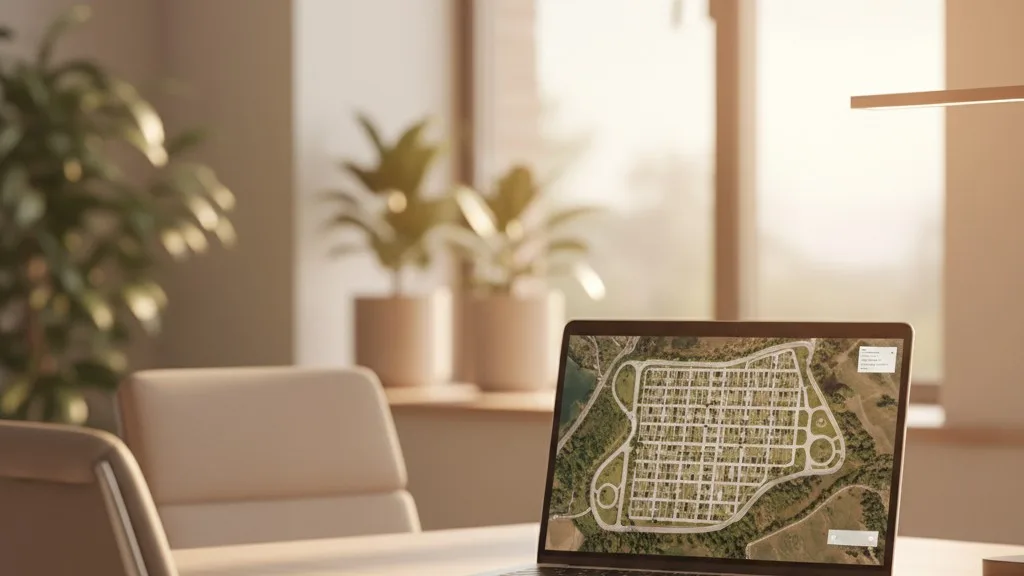
- Online Plot Search: Families increasingly expect to locate a loved one’s grave or check for available plots from their computer or phone. This transparency builds immediate trust and reduces friction for both families and your staff.
- Clear Service Information: Clearly explain the options you offer, from traditional burial to cremation niches or green burial sections. Avoid jargon and be direct about what is included in each service.
Managing this digital information layer on top of physical records can be challenging. An integrated system like Sunset can help by managing your space inventory and making that data available for a public-facing memorial search, ensuring families get accurate information directly from your core records.
What Kind of Memorialization Options Are They Looking For?
The next generation is looking for memorialization options that are personal, unique, and reflective of the individual's life and values. The traditional one-size-fits-all headstone is no longer the only option they will consider. They are interested in a wider range of choices that allow for creativity and a more lasting, meaningful connection.
This doesn't mean abandoning traditional services, but rather expanding your offerings to include more diverse choices. Think of it as adding new traditions alongside the old ones.
Examples of Modern Memorialization:
- Living Memorials: Planting a tree, shrub, or dedicating a bench with a small plaque offers a living tribute that contributes to the beauty and ecosystem of the cemetery.
- Specialized Gardens: Scattering gardens designed for cremated remains provide a beautiful, dignified alternative to a single plot, often with a central monument where names can be inscribed.
- Unique Niches: For cremation, families may appreciate glass-front niches that allow for the display of a personalized urn and small mementos, creating a small, curated memorial space.
- Digital Tributes: Some cemeteries are exploring QR codes on headstones that link to an online memorial page with photos, stories, and videos. While this requires technical infrastructure, it points to a future where the physical and digital memorials are linked.
The key is to offer a spectrum of choices. A family may choose a traditional burial but appreciate the option to dedicate a tree elsewhere in the cemetery. Providing these options shows that you understand the modern desire for personalization.
Why Is Sustainability So Important?
Sustainability is important to younger generations because they are acutely aware of environmental issues and seek to make choices that align with their values. For many, this extends to end-of-life decisions. They question the environmental impact of traditional burial, including the use of resources for caskets, burial vaults, and the chemicals used in embalming and grounds maintenance.
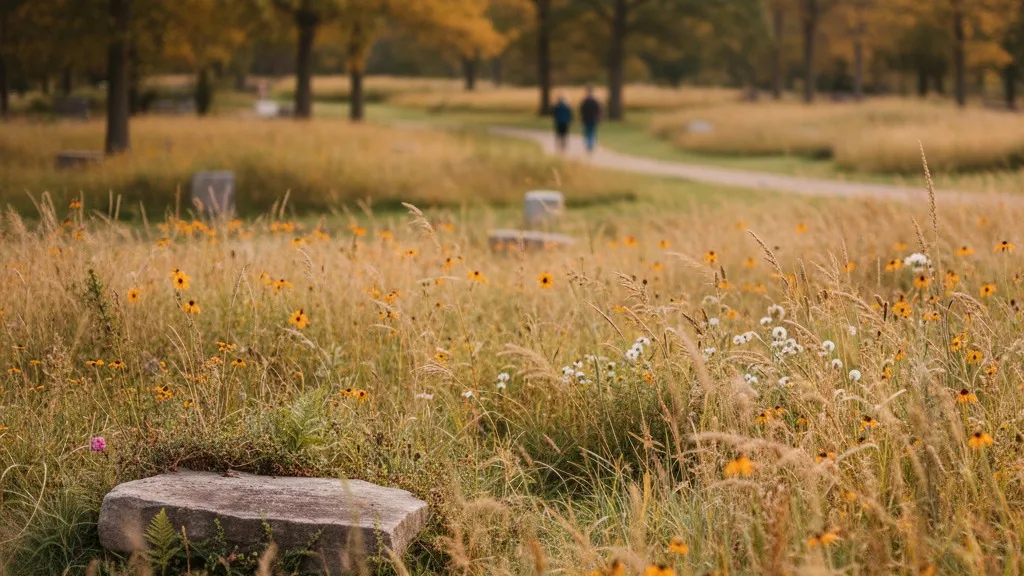
Offering sustainable options is not just a niche market; it is a significant and growing demand. Cemeteries that ignore this trend risk being seen as out of touch and environmentally irresponsible.
How Cemeteries Can Embrace Sustainability:
- Green or Natural Burial: Designate a section of your cemetery for natural burial, which involves no embalming, a biodegradable shroud or casket, and no concrete vault. This allows for a natural return to the earth and has a minimal environmental footprint. Ensure you understand and communicate the specific practices, as regulations vary.
- Sustainable Groundskeeping: Reduce or eliminate the use of pesticides and herbicides. Opt for native plants that require less water and support local wildlife. This not only lowers your environmental impact but can also reduce your cemetery maintenance costs.
- Conservation Cemeteries: A more involved model where a portion of the burial fee goes toward land conservation. This directly links memorialization with environmental protection, a powerful combination for many families.
Before implementing any new burial practice, it is crucial to consult with local and state authorities to ensure you are in full compliance with all regulations.
What Role Does the Cemetery Play After the Burial?
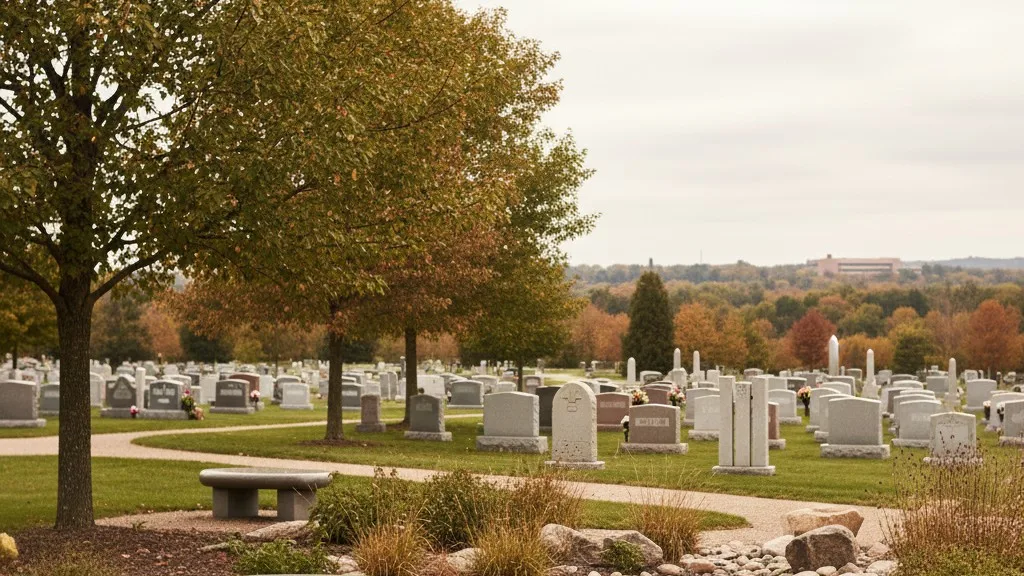
After the burial, the next generation sees the cemetery not just as a final resting place, but as a place for ongoing remembrance, reflection, and even community. They are more likely to visit and feel connected to a cemetery that feels like a welcoming, active, and safe public space, rather than a locked-away, somber repository.
This shift requires thinking of the cemetery as a park for memorialization—a place for the living to connect with their heritage and with nature. This approach can foster a strong sense of community and create new revenue streams.
Fostering Community Engagement:
- Host Events: Organize events that are respectful of the grounds but invite the community in. This could include historical tours, Memorial Day ceremonies, non-denominational remembrance services, or even quiet, contemplative events like guided nature walks.
- Improve the Visitor Experience: Ensure the grounds are not only well-maintained but also accessible. Clear signage, well-kept paths, and amenities like benches and restrooms make the cemetery a more pleasant place to visit.
- Use Technology to Connect: A blog on your website or a social media presence can be used to share stories about your cemetery's history, highlight notable individuals interred there, or announce upcoming events. This keeps your cemetery in the community's mind.
By transforming your grounds into a community asset, you build a relationship with the next generation long before they need your immediate services, establishing your cemetery as a vital part of the local heritage.
How Important is Transparency in Pricing and Process?
Transparency in pricing and process is critically important; for many younger consumers, it is the foundation of trust. Having grown up with the ability to instantly research costs for nearly any product or service online, they are naturally suspicious of opaque pricing and high-pressure sales tactics. They want to understand what they are paying for without having to ask for a price list or sit through a sales presentation.
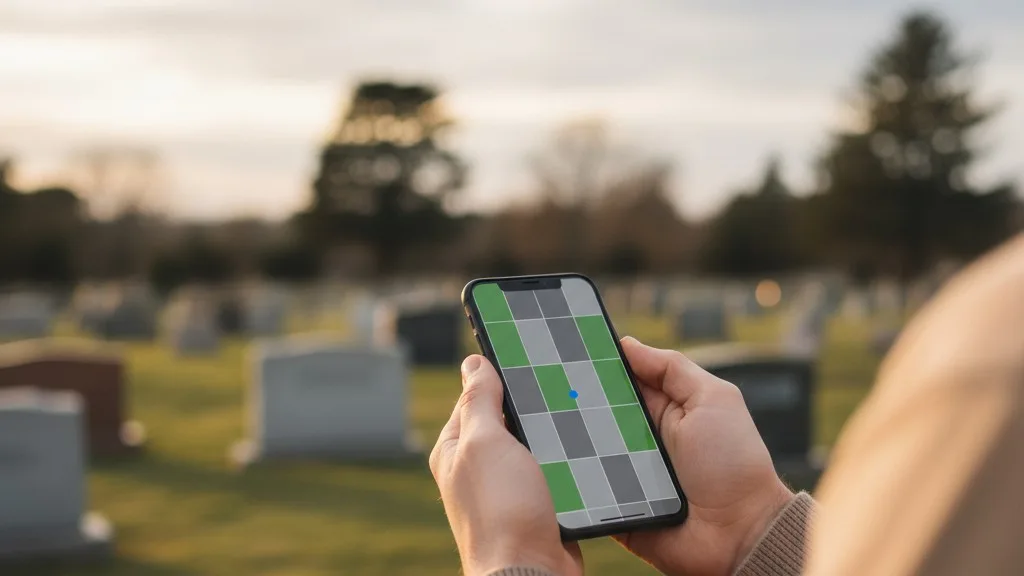
Providing clear, upfront information about costs and procedures is one of the most effective ways to connect with this generation. It demonstrates respect for their time and their intelligence.
Practical Steps for Transparency:
- Publish a General Price List (GPL) Online: Make your pricing easy to find on your website. While some costs may be variable, you can provide clear price ranges and itemized lists for standard services like plot purchases and open/closing fees.
- Simplify Your Contracts: Use plain language in your purchase agreements and other documents. The easier your contracts are to understand, the more trustworthy you appear. Managing pre-need and at-need records with clarity is essential.
- Offer Online Bill Pay: For families on payment plans or with recurring obligations, the ability to pay online is a standard convenience they expect.
Software like Sunset helps maintain this transparency. By generating clear invoices, tracking payment plans, and producing easy-to-understand deeds and contracts from standardized templates, it ensures the information you give to families is consistent and accurate every time.
Frequently asked questions
What if our historic cemetery can't make major changes?
Even historic cemeteries can meet modern expectations without compromising their character. The key is to focus on what you can change. You can create a professional website, digitize your records for easier access, improve your customer service, and clarify your pricing. You could also introduce a new memorial bench program or improve walking paths. Modernization is not just about new construction; it's also about improving access and communication.
How can a small cemetery afford these improvements?
Start small and prioritize. A clean, functional website and a commitment to transparent pricing cost very little but have a huge impact. Digitizing records might seem daunting, but it can be done in phases, and the long-term efficiency gains often pay for the initial investment. Look for changes that improve service while also reducing administrative burdens, like replacing paper records with a centralized system that prevents costly workflow inefficiencies.
Is a green burial section difficult to manage?
Managing a green burial section has its own set of requirements, but it is not necessarily more difficult, just different. It requires precise GPS mapping to track unmarked graves, a different set of grounds maintenance practices, and clear communication with families about what to expect. Proper record-keeping is paramount. For example, using cemetery software to tag spaces as 'green burial' and attach specific procedural notes is essential for long-term management.
Do we really need a social media presence?
While not mandatory for every cemetery, a social media presence can be a powerful tool for community engagement when used thoughtfully. It's not about running ads for plots. It's about sharing beautiful photos of your grounds, telling stories about your cemetery's history, promoting community events, and providing helpful information. It helps establish your cemetery as a living, breathing part of the community rather than a forgotten relic.
Meeting the Future by Serving the Present
Adapting to the expectations of the next generation is not about chasing trends. It's about applying timeless principles of service, dignity, and care in a modern context. By embracing digital accessibility, offering personalized and sustainable options, fostering community, and operating with transparency, you are not just preparing for the future—you are better serving the families who need you right now.
These changes require a solid operational foundation. Having accurate, centralized records is the first step toward building a public plot search, offering online payments, and managing your grounds effectively. If your records are ready, you can face the future with confidence. See how Sunset can provide that foundation for your cemetery's next chapter by booking a conversation with our team.